

Within the ever-evolving landscape of the construction industry, vacuum excavation technology is emerging as a game-changer that promises to reshape how we excavate and manage underground utilities. This innovative method makes use of high-powered suction to vacuum away soil and debris free from the risks associated with conventional digging techniques. As urban environments become increasingly congested and the demand for infrastructure projects increases, vacuum excavation is notable for its productivity, safety, and minimal environmental impact.
Comprehending what vacuum excavation entails and how it operates is essential for professionals in the building industry. Not only does this technique ensure the preservation of vital underground utilities, but it also improves safety on job sites, decreases project downtime, and offers numerous cost benefits. In this piece, we will explore thirty compelling reasons why vacuum excavation is changing modern construction and delve into its various applications, equipment, and the future potential it presents for the industry.
Understanding Negative Pressure Excavation
Vacuum excavation is a modern digging technique that makes use of strong suction to extract soil and debris. This method is often preferred for its productivity and accuracy, making it an essential tool in the modern construction industry. By utilizing a vacuum system alongside high-pressure water or air jets, workers can carefully expose underground utilities without producing damage. This gentle approach makes vacuum excavation an attractive alternative to classic digging methods.
The method involves creating a tiny, managed excavation which lessens the disruption to the surrounding area. https://gmaccontractors.com/best-vacuum-excavation-ireland/ is particularly effective in city environments where space is restricted and the presence of various utilities is common. Contractors can identify and reveal utility lines without the likelihood of breaking them, which helps stop costly repairs and project delays. This technology not only simplifies the construction process but also enhances overall security on site.
In addition to utility safeguarding, vacuum excavation provides multiple environmental benefits. The decrease in soil displacement leads to reduced erosion and damage to surrounding ecosystems. Furthermore, the exactness of this technique minimizes the requirement for extensive land clearing, encouraging sustainable practices within the construction industry. As vacuum excavation persists to evolve, it promises to play an important role in upcoming construction projects, addressing both security and environmental concerns.
Benefits of Vacuum Excavation
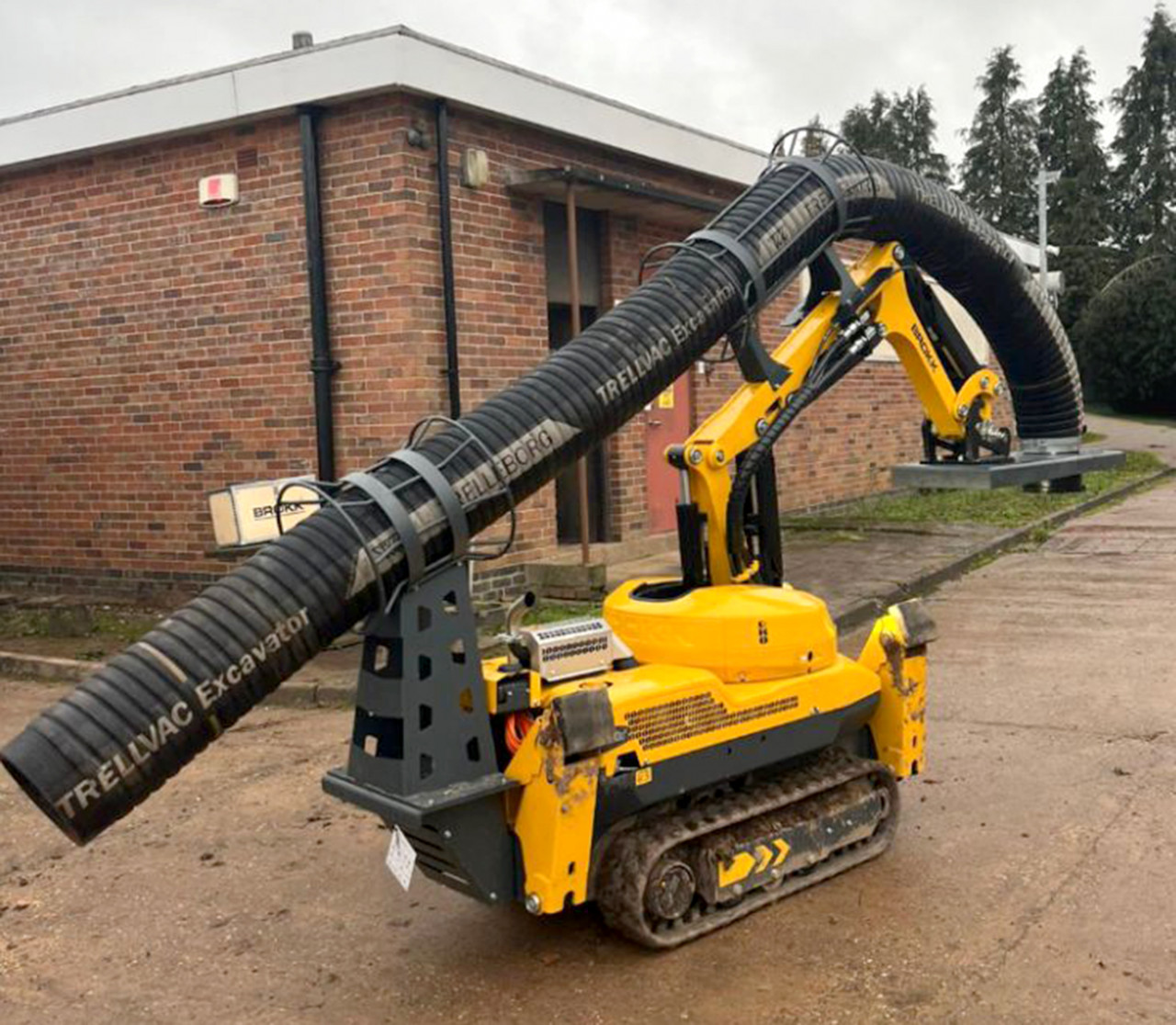
This excavation method offers numerous benefits that make it an ideal option in modern construction. A major benefit is its ability to avoid damage, which significantly reduces the risk of damaging underground utilities. By using high-powered suction and high-pressure water or air, operators can securely expose buried assets without the need for conventional digging methods that can lead to expensive fixes and project delays. This accuracy not only protects existing infrastructure but also enhances productivity during the excavation process.
Another key benefit is the improved safety it brings to construction sites. Vacuum excavation minimizes the physical risks associated with traditional digging, such as collapses, flying debris, and unintentional damage on utility lines. With the equipment operating from a greater distance, workers are less exposed to dangerous situations. This technology also produces minimal noise and dust, leading to a nicer and secure working environment for all workers present. As a result, job site safety is greatly enhanced, fostering stronger adherence with safety regulations and standards.
In addition to safety, vacuum excavation contributes to environmental sustainability. The method generates less waste and is more effective in terms of water consumption compared to conventional methods. By quickly removing soil and debris, it reduces the amount of disruption to the surrounding area, which is crucial in urban environments where preserving green space is a priority. Furthermore, by protecting existing ecosystems and minimizing area impact, vacuum excavation reflects a commitment to eco-friendly construction practices, aligning with the current sectors' shift towards sustainable development.
Applications and Future of Vacuum Excavation
The process of vacuum excavation is increasingly utilized in a range of industries, transforming how construction and utility projects are approached. From telecommunications infrastructure installation to potholing to find utilities, the technology has proven essential in ensuring safety and precision. Furthermore, vacuum excavation is ideal for city projects where space is limited and there is a substantial risk of encountering subsurface utilities. Its non-destructive nature allows for accurate excavation without the harmful consequences associated with conventional digging techniques, making it an excellent choice for maintaining cultural landmarks or performing landscape work without damaging existing plants.
Looking ahead, the outlook of vacuum excavation promises additional innovations. As technology continues to progress, improvements in vacuum excavation equipment will boost efficiency and effectiveness, including superior suction abilities and eco-friendly solutions. It is likely that there will be increased integration with advanced digital tools, such as radar technology for ground penetration and mapping tools, which can assist in identifying subsurface utilities before excavation begins. As industries seek to minimize disruption while streamlining project timelines, vacuum excavation is poised to become a norm in building projects.
The effect on the environment of vacuum excavation cannot be overlooked, as it reduces the disturbance caused to soil and promotes sustainable building methods. As regulations around the environment become more stringent, the demand for methods of excavation that don't harm the environment will increase, positioning vacuum excavation as a preferred solution. With continuous learning about its merits and emphasis on efficiency and safety, the applications of vacuum excavation will continue to grow, making it an essential component of the next phase of infrastructure and construction development.