

In the modern fast-paced world, how we enjoy entertainment is changing quickly, with home cinema installations becoming more and more popular among homeowners. With technology improves, the dream of creating a cinematic experience right in your living room is more attainable than ever. Starting with high-resolution projectors to immersive surround sound systems, transforming your space into a personal theater can enhance movie nights, gaming sessions, and sports viewing in unprecedented ways.
Nonetheless, navigating the home cinema installation process can be overwhelming. Regardless of whether you are considering a professional installation or taking on the project yourself, multiple factors come into play. This guide will cover essential topics, including design considerations, common mistakes to avoid, cost factors, and the impact of technology on your setup. By the end, you'll be fully prepared to make knowledgeable decisions that will elevate your home entertainment experience for the foreseeable future to come.
Home Theater Setup Options
While thinking about home cinema installation options, property owners can select between a variety of systems that align with their personal preferences and area requirements. A dedicated home cinema space is best for those looking for the best immersive experience. This setup often consists of a big projector screen, surround sound systems, and tailored lighting solutions, that are all designed to enhance viewing quality and comfort. Such configurations often require professional assistance to optimize the room’s acoustics and arrangement, guaranteeing a memorable cinematic experience.
For people with small space, a media room can be a great alternative. This option blends entertainment elements with the utility of a living area. By including multimedia systems into current spaces, homeowners can achieve an effective home cinema setup without the need for significant renovations. With automated https://telegra.ph/Tech-Magic-Essential-Elements-for-a-Seamless-Home-Cinema-Setup-02-01 , devices can be readily controlled, offering ease while still delivering quality sound and visual experiences, making it a feasible choice for compact living arrangements.
Lastly, DIY setup has become increasingly popular as technologies have improved. Many homeowners are deciding to take a self-directed approach, utilizing pre-packaged kits and instructional resources. While this can be a affordable method, it’s important to consider the benefits of personal involvement against the potential pitfalls of improper setup. Comprehending the challenges of audio visual synchronization, seating arrangements, and cable management is key for getting satisfactory results without professional help.
Blueprint and Configuration Factors
When designing your home cinema installation, the configuration and setup of the room play a crucial role in achieving the intended viewing experience. Begin by selecting a space that lessens light interference and is suitable to audio performance. It's essential to take into account the dimensions of the room, seating layouts, and the placement of screens and speakers. Opting for a room with managed lighting, such as blackout curtains, can substantially enhance picture quality during screenings.
Audio treatments are another key aspect of the design process. The materials used in the room, such as carpets, curtains, and wall treatments, can soak up sound and prevent echoes, resulting in a more immersive audio experience. Positioning speakers correctly is also important; for instance, setting them at ear level and ensuring proper distance from the walls can optimize sound distribution and clarity. Don't forget about the seating selection, which should prioritize ease and ensure optimal viewing angles.
Lastly, smart home integration is growing popular in home cinema arrangements. Consider incorporating smart lighting and climate control systems that integrate with your viewing habits. This not only elevates the overall experience but also enables convenience through automation and remote control. By considering these design and configuration factors into account, you can create a space that improves both visual and auditory experience for all your cinematic showings.
Cost and Professional Advice
While preparing for a home cinema installation, grasping the associated costs is essential for effective budgeting. Different factors influence the total expenses, including gear quality, room size, and the complexity of the installation. A basic setup with necessary components may start at a fairly low price, while a high-end system with sophisticated features can soar into the high hundreds. It's important to consider not only the equipment itself but also installation fees, which can vary significantly depending on whether you opt for professional assistance or a DIY approach.
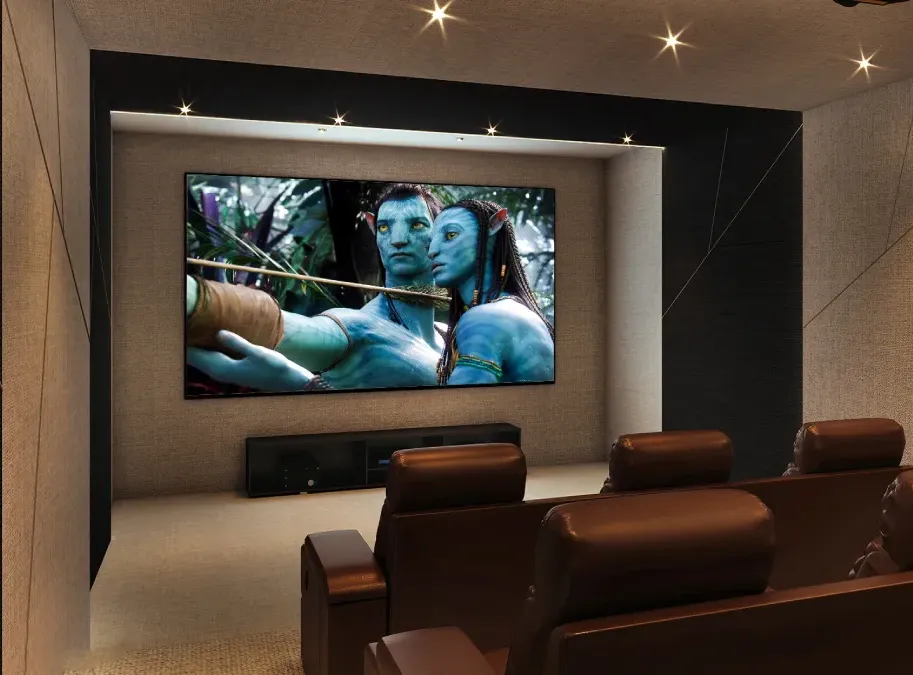
Employing a professional for home cinema installation often leads to a more efficient process and potentially better results. Professionals bring significant experience and knowledge that can help dodge common pitfalls and mistakes that many DIY enthusiasts make. They can provide personalized solutions based on the specific acoustics of your room, optimal screen placement, and suitable speaker setup. Additionally, professionals can manage complex wiring and integration with smart home systems, guaranteeing everything operates seamlessly and is visually pleasing.
For those considering a DIY installation, it's important to evaluate the benefits and drawbacks. While there are financial benefits to be had in avoiding labor costs, the risk for errors could lead to costly adjustments later. Researching sufficient resources and gathering appropriate tools can aid in a successful installation. Nonetheless, for the best possible home cinema experience, investing in professional services may be the best choice, notably as technology continues to evolve and integrate into our living spaces.