

Within the constantly changing landscape of modern construction, effective and safe excavation techniques are essential. One method that has gained traction is vacuum excavation, a non-destructive digging technique that is changing how we approach projects underground. As cities develop and infrastructures age, the need for accurate excavation has reached new heights. Vacuum excavation offers a variety of benefits that not only enhance safety but also protect vital underground utilities, streamline project timelines, and reduce environmental impact.
This novel approach utilizes powerful suction equipment to extract soil and debris, allowing for exact digging without disturbing the surrounding area. As urban projects become increasingly complicated, understanding the merits of vacuum excavation is essential for construction professionals. From protecting vital infrastructure to lowering project downtime, the implications of this technology are vast. Join us as we delve deeper into the benefits of vacuum excavation and examine why it is becoming the method of choice for contractors across different industries.
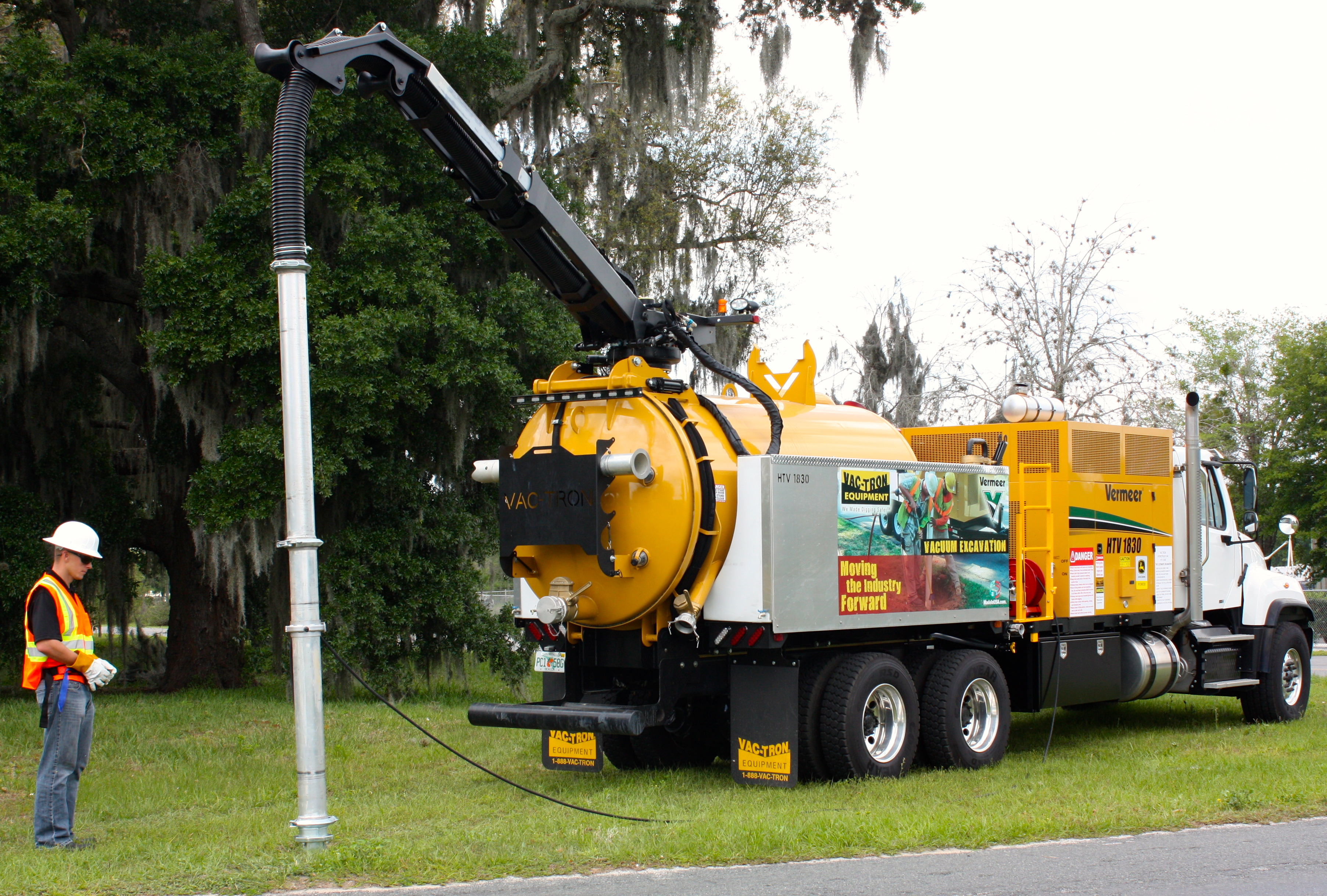
Comprehending Vacuum Excavation
Vacuum digging is a gentle excavation which utilizes high-powered vacuum and pressurized water or gas to securely remove soil and debris from the ground. This innovative technique enables exact excavation without the risk of injuring underground services, making it an ideal choice for building and maintenance projects. As the name suggests, the process entails using specialized vacuum machinery to create a vacuum that quickly draws out loose material, providing a clear perspective of the underground facilities.
The operation typically begins with the use of liquid or gas to loosen the soil, followed by the vacuum system that extracts the dislodged material. This method not only enhances accuracy but also limits the impact to the surrounding environment. With vacuum excavation, crews can rapidly locate and expose infrastructure such as electrical lines, water pipes, and gas mains, making certain that that vital infrastructure is kept intact during building activities.
As urban development increases and excavation projects become more challenging, vacuum excavation is surfacing as a crucial tool. Its ability to boost safety, protect existing utilities, and reduce project downtime positions it as a revolutionary force in modern construction practices. The blend of productivity and efficiency highlights why vacuum excavation is growing in traction in sectors encompassing telecommunications to infrastructure maintenance.
Safety & Environmental Benefits
Vacuum digging offers substantial safety benefits on construction sites, primarily due to its non-invasive nature. Standard digging practices can easily damage subsurface utilities, leading to hazardous situations and costly project delays. By using https://gmaccontractors.com/best-vacuum-excavation-ireland/ and water or air, vacuum excavation can accurately identify utilities without the risk of damaging them. This accuracy not only enhances staff security but also lowers the chances of costly repairs and service disruptions.
From an environmental standpoint, vacuum excavation is a more eco-friendly option compared to standard excavation methods. It diminishes soil disturbance and additional destruction to the surrounding area, protecting natural habitats and preventing silt runoff. Additionally, the measured removal of materials contributes to less dust and noise pollution, which is especially vital in urban settings where environmental regulations are strict.
Lastly, vacuum excavation also promotes effective waste disposal. The waste collected during the excavation process can often be repurposed or disposed of in an environmentally conscious manner. This supports the growing dedication to sustainable development techniques. By adopting vacuum excavation, contractors can advance a greener construction sector while delivering projects effectively and successfully.
Uses and Prospects of Vacuum Excavation
Vacuum excavation has become an essential tool in multiple sectors of building and engineering. Its primary uses include utility setups, trenching, and maintaining drainage systems. The necessity for meticulous excavations while avoiding injury to existing underground utilities has made vacuum excavation a popular method, especially in city environments where room is constrained and existing infrastructure are complex. Additionally, its use in landscaping and tree root protection shows its versatility beyond conventional applications.
Looking into the future, the future of vacuum excavation technology looks bright with advancements in design of equipment and productivity. As industries increasingly focus on sustainable practices, vacuum excavation is likely to gain more importance due to its gentle nature and environmental benefits. Innovations such as automated machinery and better suction technology are expected to make the process even more efficient, minimizing delays in projects and reducing work expenses while maximizing security.
Additionally, as urbanization continues and the demand for construction grows, vacuum excavation will play a essential role in meeting these challenges. It is anticipated that the industry will see a shift towards merging vacuum excavation with trenchless solutions, allowing for seamless installations of pipelines and service lines. This integration will not only improve operational efficiency but also contribute to more secure and more environmentally friendly construction practices in the future.