

Lately, implants have emerged as a revolutionary solution for those seeking to restore their grins and restore assurance after dental loss. Unlike conventional bridges or dentures, dental implants offer a durable and realistic alternative that not only improves visual appeal but also promotes overall mouth health. As a growing audience discover the pros of implant technology, dental implants have swiftly gained popularity, providing a feasible option for individuals who wish to restore their quality of life.
This article will examine the key facts about dental implants and restoration, discussing the details regarding the step-by-step process involved in receiving an implant to the options available for both individual tooth replacements and complete dental restorations. As we explore the advancements in dental technology, patient eligibility, recovery methods, and care instructions, we aim to provide a comprehensive guide that empowers individuals to make informed decisions about their dental health. Whether you're thinking about implants or simply curious about the progress of restorative dentistry, this guide offers insightful insights into the world of dental implants.
Grasping Dental Replacements
Implant dentistry are revolutionary methods designed to substitute missing teeth and rebuild functionality and aesthetics. They consist of a strong post that is carefully inserted into the jawbone, acting as a foundation for the new tooth. Once the post fuses with the bone through a process called osseointegration, an attachment is connected to hold the final restoration, which can be a cover, bridge, or denture. This procedure provides a durable and lasting solution that imitates natural tooth structure.
The benefits of dental implants reach beyond mere appearance. They help maintain the stability of the jawbone, preventing bone loss that commonly occurs after a tooth is lost. With implants, patients can enjoy improved chewing efficiency and a more convenient solution compared to traditional dentures. Additionally, they provide enhanced stability and reduce the risk of moving or inconvenience, which is frequent with removable dental prosthetics.
Improvements in technology have significantly boosted the dental implant procedure, making it more secure and more efficient. Techniques such as advanced imaging and precision surgery allow for accurate placement of implants, ensuring optimal outcomes. As a consequence, many individuals who may not have been candidates for traditional implants can now consider options like compact implants or instant implants, making dental restoration more available than ever before.
Benefits and Considerations
One of the key benefits of dental implants is their ability to nearly mimic the function and appearance of natural teeth. Unlike traditional dental bridges and dentures, implants are securely anchored in the jawbone, providing a stable base that allows for normal chewing and speaking. Patients often report notable improvements in their self-confidence once they receive dental implants, as they feel more comfortable in social situations without the fear of dentures moving or coming loose.
Another critical consideration is the longevity of dental implants. With proper care and maintenance, they can last many years, often a lifetime. This contrasts with dentures and bridges, which may need to be renewed or adjusted over time. Additionally, Fixed Dental Care can help to protect jawbone density and prevent the bone loss that often occurs after tooth loss, contributing to better overall oral health in the long term.
However, possible candidates must also consider the upfront costs and the surgical nature of the implant process. While implants are generally costlier than alternatives like dentures, their durability can make them a more economical solution over time. It is important for individuals to consult with a dental professional to evaluate their specific situations, including their oral health, financial situation, and personal preferences, to determine the optimal approach for restoring missing teeth.
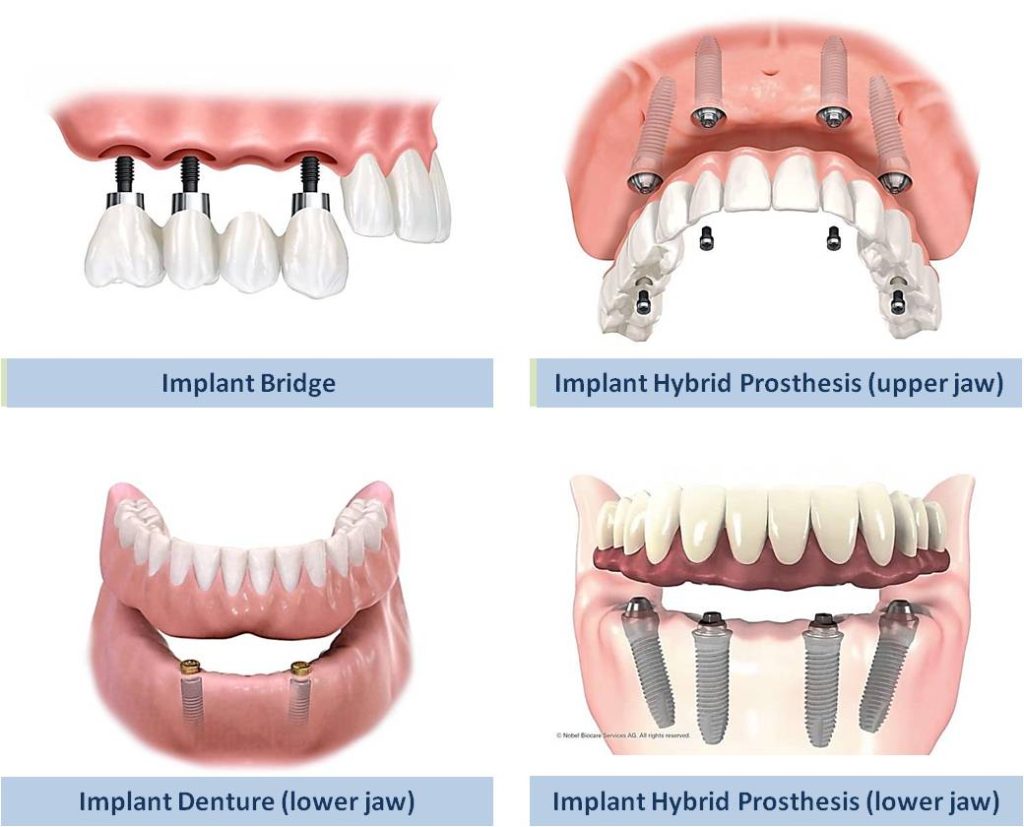
A Implant Procedure Overview
This dental implant process generally begins with a comprehensive assessment where the oral surgeon assesses the oral health, takes imaging scans, and talks about your goals. The first meeting is crucial for determining the eligibility for implants and developing a personalized treatment strategy. If bone loss is present, the dentist may recommend bone grafting to ensure sufficient support for the implants.
Once you are considered a suitable candidate, the next phase involves the surgical placement of the dental implants. The surgery is usually done under local anesthesia or sedation to ensure comfort. The surgeon will create an incision in the gum tissue, drill into the jawbone, and position the implant securely. After placement, the gum tissue is stitched up, and a healing period follows, allowing the implants to integrate with the bone in a process called osseointegration.
Following the healing phase, which may last several months, the final restoration can commence. This involves installing the abutment, which links the implant to the crown, and then securing the custom-made crown to the abutment. Throughout the procedure, follow-up appointments will ensure proper healing and allow for any necessary adjustments. This result is a functional and aesthetically pleasing solution that restores your smile and confidence.