

When someone dear passes away, the duty of planning a funeral can feel intimidating. However, it is also an time to celebrate their existence and construct a meaningful farewell. Creating a funeral that embodies the character of the individual who has departed can help preserve their spirit and extend comfort to those who are grieving. This article functions as a complete guide to addressing the nuances of funeral planning, offering you with necessary information and insights to help you craft a personalized tribute.
Starting with understanding the basics of funeral options to reviewing key cultural traditions, we will cover the essential components of planning a funeral that is both honorable and reflective of your loved one's personality. You will gain knowledge on how to discuss effectively with your family about choices and arrangements, as well as applicable tips on cost management and scheduling. If you are planning in advance or responding to an unexpected loss, our guide aims to support families to make decisions that truly honor a life well spent.
Key Guidelines in Memorial Planning
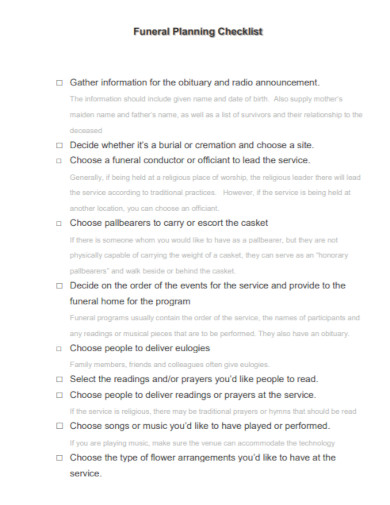
The first step in arranging a funeral requires understanding the urgent requirements following a dear one's death. It is important to inform close friends while thinking about what to do afterward. Assembling important documents such as the death certificate, last will, and insurance policies is crucial, as it helps in making knowledgeable choices moving forward. This first phase can feel intimidating, but having a concise list of to-do items can simplify the transition.
Once the urgent requirements are addressed, families should start thinking about the logistics of the funeral. This includes choosing between interment or cremating, selecting a funeral home, and establishing any unique requests the departed may have had. It is furthermore advantageous to create a financial plan, as expenses can vary widely depending on choices made. By outlining key elements and preferences, families can create a meaningful service that respects their loved one’s desires.
Finally, customization plays a key part in memorial planning. Families should consider on how to celebrate the unique life of their dear one. This could entail incorporating memorable stories, special music, or personalized decor that align with their spirit. By emphasizing customization, families can create a tribute that not only honors the deceased but also offers solace to those who are grieving.
Personalizing the Celebration of Life Service
Crafting a tailored funeral experience is an essential aspect of honoring a beloved's life. Loved ones can showcase the distinctive nature of the individual by including meaningful elements that speak with their essence, interests, and values. This may include tunes that they enjoyed, images that capture important moments, or even decor that represents their hobbies. Each decision becomes a dedication that conveys their personal journey and allows participants to connect with the memories shared.
In also to material elements, the ceremony's tone and structure can be modified to capture the individual's spirit. For instance, a memorial service can include storytelling where loved ones share their favorite anecdotes. This not only provides a moment of joy and nostalgia but also builds a compassionate environment for those in mourning. Many individuals often find reassurance in laughter and treasured remembrances, allowing the service to mix sorrow with celebration.
Additionally, consider incorporating cultural customs that were significant to the deceased or their kin. This can deepen the emotional resonance of the service and make certain that it feels authentic. By blending together personal touches and meaningful ceremonies, the funeral becomes a sincere representation of a life lived, providing hope and community for those who gather to remember the life of their loved one.
Managing Emotions and Practicalities
Organizing a celebration of life involves managing a complex combination of feelings and realities. Click for more info is an intimate process that can evoke sadness, nostalgia, and even solace as families look back at their loved one’s life and legacy. Validating these feelings is important when approaching funeral planning. It’s essential to provide yourself and your family members the freedom to express their emotions, whether that be sadness, frustration, or happiness. Voicing these emotions can help family members feel more connected during this difficult time.
On the organizational front, having a solid plan can ease some of the pressure associated with organizing a memorial service. Maintaining a checklist can help ensure that all essential steps are completed, from choosing a location to deciding between interment or ashes scattering. Being aware of the financial aspects involved is also crucial so that families can make informed decisions without surprising costs. This harmony between preparing emotionally and practical organization creates a setting where families can celebrate their departed's memory with significance.
At the close, as families approach the logistics of arranging a funeral, it is important to remain focused on what truly matters: celebrating a soul. Customizing the service to reflect the character of the deceased can help create a reassuring and intimate experience for everyone involved. By combining compassion with practical steps, families can create a memorial that resonates strongly and fosters healing among those who gather to bid farewell.