

Recently, dental implants have become a standard solution for substituting lost teeth, enhancing smiles and boosting confidence for numerous patients. As developments in oral care technology keep evolving, understanding the details of dental implant procedures and rehabilitations is important for individuals thinking about this life-changing option. This thorough article will guide you through all you should understand about dental implants, including the pros and who should consider the procedure to the step-by-step process involved.
If you are weighing the differences between tooth implants and dentures or looking into the newest innovations in implant procedures, we will address all aspects of implant and rehabilitation procedures. With insights on the recovery procedure, maintenance tips, and the expenses associated, this manual aims to provide you with the knowledge necessary to make informed decisions about your teeth health. Join us as we explore a world where creativity intersects with dentistry, helping you attain the beautiful smile you’ve always wanted.
Understanding Oral Prosthetics
Dental implants are complex oral devices crafted to restore missing teeth and reestablish utility and aesthetic. They are made of a titanium post that is surgically placed into the jawbone, functioning as a synthetic tooth root. Eventually, the bone fuses with the implant through a process called osseous integration, establishing a solid foundation for the new tooth. This groundbreaking technology has changed traditional tooth restoration methods, offering a solution that resembles the original tooth's structure and operation.
The procedure for undergoing tooth fixtures can differ based on unique needs, but it typically consists of several phases, including the first consultation, fixture placement, and subsequent restoration with a bridge or another fixture. Individuals for dental implants must have sufficient bone density to hold the implant, which may necessitate additional procedures like bone grafting. Enhanced Dr. Kimmel dental implant specialist , such as 3D imaging, have advanced the planning stage, permitting for more precise placement and superior outcomes.
One of the important advantages of dental implants is their potential to boost both mouth health and the standard of life. In contrast to traditional dentures, tooth fixtures do not move or necessitate adhesives, giving a secure and comfortable fit. They also encourage the jawbone, stopping deterioration that frequently happens with lost teeth. Patients with dental implants often report enhanced confidence and better self-esteem, as they can enjoy their beloved foods and smile without worry of discomfort.
Methods and Advancements
The area of dental implants and restoration has seen notable advancements, ensuring enhanced outcomes and patient experiences. One of the most significant innovations is the introduction of 3D imaging technology. This approach allows for precise mapping of the patient’s oral structure, enabling dentists to plan implant placements with unparalleled accuracy. The use of this technology drastically minimizes the risk of complications and ensures that the implants are positioned effectively for both functionality and aesthetics.
Another groundbreaking development is the emergence of immediate load implants, which provide same-day dental solutions. This process allows patients to receive secured implants and temporary crowns in a quick visit, significantly reducing the time frame associated with traditional methods. This innovation is especially beneficial for patients who seek to avoid the troubles of being without teeth during the healing process, ultimately enhancing their confidence and well-being almost instantly.
Additionally, advancements in components have transformed the nature of dental implants. Modern implants are often made from safe materials such as titanium and zirconia, promoting better integration with the jawbone and minimizing rejection risks. These materials not only improve the longevity of the implants but also enhance their aesthetic appeal, offering life-like restoration options. With ongoing investigations and development, the future of dental implant procedures continues to hold exciting possibilities for improved patient care and satisfaction.
Perks and Considerations
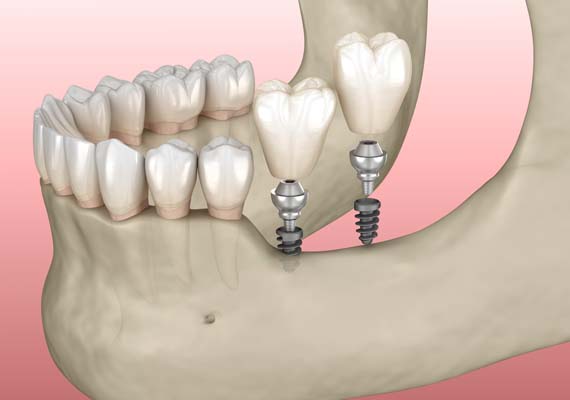
Tooth implants offer numerous benefits that make them an attractive alternative for restoring lost teeth. They provide a permanent answer that resembles the function and appearance of natural teeth, improving both visual appeal and mouth health. Unlike conventional bridges or dentures, implants do not necessitate modification of neighboring teeth, helping to maintain the integrity of other natural structures. They also enhance bone health by encouraging the jawbone, preventing the bone loss that typically occurs after tooth loss.
However, there are important aspects to keep in mind when opting for dental implants. The process requires a commitment of effort and cost, as it often involves multiple appointments and can be more expensive initially than other replacement options. Additionally, not everyone is a good candidate for implants; elements such as bone density, overall health, and personal habits (like smoking) can impact both eligibility and success rates. Consulting with a oral care specialist is essential to consider individual circumstances.
Finally, while dental implants have a excellent success rate, patients should be mindful of possible risks and complications associated with the procedure. These can consist of infection, implant failure, or complications associated with anesthesia. Click for more info and choosing a qualified dentist who specializes in implant restorations can greatly enhance the chance of a successful outcome, ensuring patients enjoy the lasting benefits that come with renewed smiles and enhanced confidence.