

Gardening is a rewarding endeavor, allowing us to engage with nature while creating beautiful outdoor spaces. However, maintaining a garden can be a challenging task, especially when it comes to keeping it healthy and thriving throughout the year. Whether you are a experienced gardener or just starting out, understanding fundamental garden maintenance practices is vital for the health and liveliness of your plants.
In this article, we will discuss green gardening approaches and sustainable maintenance practices that not just cultivate your garden but additionally support the ecosystem. From seasonal checklists to cutting-edge gardening tactics, we will cover everything you need to know about efficient garden maintenance. By using these practices, you can enjoy a blooming garden while lowering your ecological impact, ensuring your green space is both beautiful and sustainable.
Essential Guidelines for All-Season Maintenance
Caring for a garden throughout the year requires thorough planning and focus to seasonal changes. To initiate with, assess your garden's requirements each season. In spring, concentrate on soil health by testing pH levels and mixing in organic matter to promote growth. Summer requires consistent irrigation and layering mulch to keep plants hydrated and minimize weed growth. As fall approaches, make sure that you are preparing your garden for the winter season by clearing away debris and planting cover crops that boost soil fertility.
As you move into winter, it's essential to shield your plants from frost and extreme conditions. Covering tender plants with mulch or fabric covers can make a significant difference their survival. Additionally, it may be wise to care for tools during this time to ensure they are ready for the arrival of spring's rejuvenation. A proactive approach in winter, such as sharpening shears and cleaning equipment, sets a solid foundation for the next growing season.
Lastly, establishing a flexible maintenance schedule can simplify your gardening tasks. Include regular check-ins throughout the year to assess plant health and apply necessary treatments like pest control or fertilization. This will not only keep your garden flourishing but also help you recognize issues early, making it easier to address them effectively. By sticking to these key tips, you can make sure your garden is lush and vibrant no matter the season.
Seasonal Checklists and Tasks
Caring for a garden demands a personalized approach for each season, making sure that your plants flourish no matter the weather. In spring, it's important to focus on restoring your garden with a comprehensive maintenance checklist. Start by clearing debris from winter, assessing soil health, and using proper fertilization. This is also the best time to trim dormant plants and prepare flower beds for a new season, ensuring that all new growth has the greatest chance to thrive.
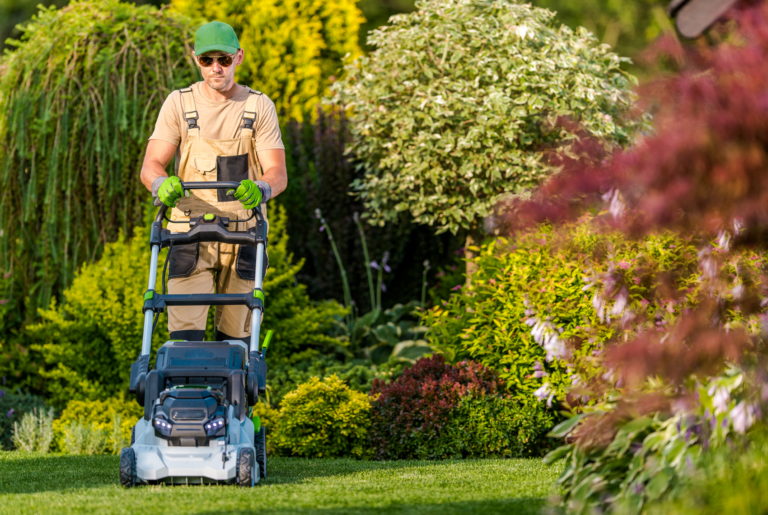
As summer approaches, your attention moves to keeping plants healthy amid rising temperatures. Garden Maintenance Selby North Yorkshire watering, mulching, and pest control become essential in preserving plant vitality. Use efficient irrigation tips to reduce water while maintaining soil moisture. During this season, it's also vital to tackle weeds aggressively, which helps minimize struggle for nutrients and sunlight. Additionally, do not forget to watch for diseases that can flourish in the heat, ensuring your garden is lush and vibrant.
Autumn presents unique challenges and tasks that should not be overlooked. As the weather drops, focus on getting ready your garden for the coming winter by tidying fallen leaves and dead plants. This is a perfect time for final cutting back and using mulching benefits to protect root systems from frost. Additionally, think about planting perennials that bloom in spring, making sure you set the stage for continuous beauty in your garden. Thinking about these seasonal tasks will keep your garden in check and ready to thrive year-round.
Equipment and Methods for Sustainable Gardening
Sustainable gardening relies on using the appropriate instruments and techniques that not only boost plant health and also minimize environmental impact. Essential instruments such as trowels, spades, and secateurs could assist you maintain your garden effectively while providing precision and care in your gardening tasks. Investing in quality tools minimizes waste over time, and choosing manual tools over electric ones can reduce your carbon footprint.
Methods such as composting and mulching play a crucial role in eco-friendly gardening. Composting helps in recycling kitchen and garden waste, turning it into nutrient-rich soil that enhances health and productivity. Mulching, in contrast, retains moisture in the soil and suppresses weeds, lessening the need for additional watering and chemical herbicides. Incorporating these strategies into your garden care routine supports soil health and increases biodiversity.
Furthermore, adopting organic pest control strategies and using eco-friendly fertilizers can significantly boost eco-friendly practices. Natural pest deterrents, such as neem oil or insecticidal soap, reduce harmful chemical runoff while protecting beneficial insects. Similarly, organic fertilizers enhance soil structure and promote long-term fertility, avoiding synthetic options that may harm the ecosystem. By utilizing these instruments and methods, gardeners can create a prosperous, sustainable environment while enjoying their gardening journey.