

In today's world, ensuring the protection and reliability of electrical systems is essential. Due to the growing dependence on electrical appliances and systems in both residential and commercial properties, an Electrical Installation Condition Report, commonly known as an EICR, serves as a critical tool for property owners. This report provides a detailed assessment of the electrical installations within a property, identifying any potential issues and offering peace of mind that everything is working safely and effectively.
Every property, be it a cozy home or a bustling commercial space, should undergo periodic electrical inspections to meet regulatory requirements and ensure the safety of its occupants. Understanding what an EICR includes, what it evaluates, and how regularly it should be conducted empowers property owners to take active steps in ensuring the safety of their investments. From identifying the warning signs that indicate the need for an inspection to managing the complexities of repairs and recommendations, this guide seeks to provide essential insights into the world of Electrical Inspection Condition Reports, aiding you secure your electrical peace of mind.
Grasping Electrical Installation Condition Reports
Electrical Reports (EICRs) serve as essential documents that provide a comprehensive analysis of the power networks in a premises. Such reports are intended to evaluate the security and operability of power setups, ensuring that they comply with up-to-date rules. An EICR is typically conducted by a certified electrician, who inspects the wiring, circuits, and remaining components of the electrical network to detect any potential hazards or faults.
One of the main goals of an EICR is to establish whether electrical installations are fit for continued operation. The report will indicate any sections that require immediate attention, such as faulty cables or strained circuits, and will group any problems according to their seriousness. This categorization helps property owners grasp the immediate threats associated with their electrical systems and prioritize necessary repairs.
Routine EICRs are crucial not only for ensuring the security of a premises but also for protecting its value. Properties that have recent EICRs are more attractive to potential tenants or renters, as they show a commitment to protection and adherence with standards. Consequently, understanding and securing an Electrical Installation Condition Report is an critical action for all landlord.
Significance of Power Evaluations for Landlords
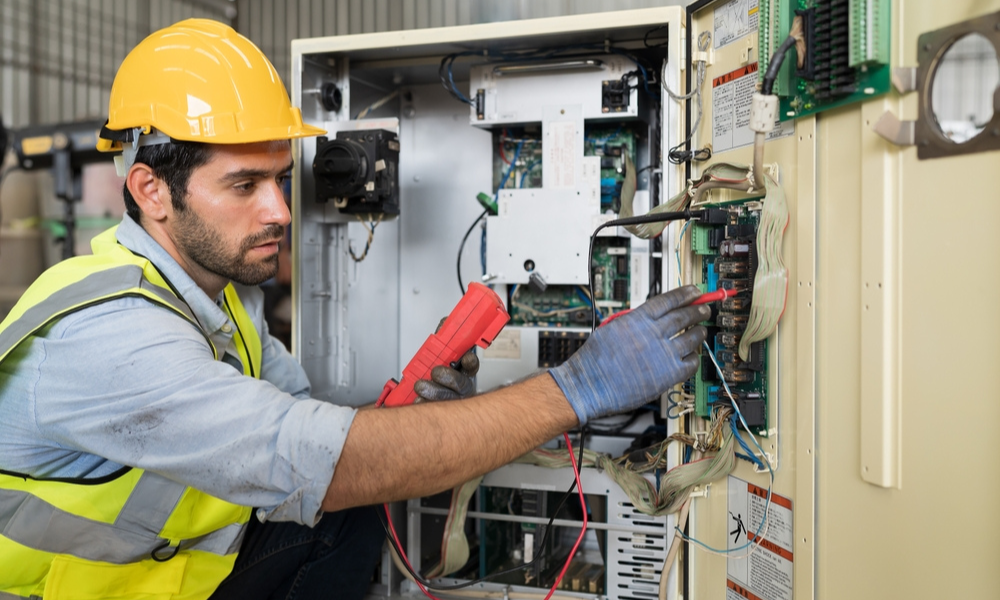
Regular energy evaluations are crucial for landlords to guarantee the security and operability of their energy networks. An Electrical Installation Condition Report detects risks and old wiring, decreasing the likelihood of fire-related incidents and emergencies. By having a detailed inspection, landlords can tackle concerns before they worsen into major problems that could lead to high repairs or life-threatening conditions.
In addition to security, having a up-to-date EICR can be a valuable advantage for landlords, especially those interested in selling their properties. Tenants and occupants often seek assurances concerning the security and standards of the energy setups. An current inspection report indicates care, increases attractiveness, and can even increase value. For Look at this website , it is not just a concern of providing a safe environment, but also fulfilling laws and reducing responsibility.
Additionally, frequent evaluations promote the durability of power systems. Just like any other network in a home, periodic maintenance and inspections can prevent future faults. Property owners who invest in frequent evaluations often realize themselves cutting money in the future. Proper assessment can result in more efficient energy consumption, lowering utility bills and confirming that the power system operates within secure, efficient standards.
Ready to and Handling Reports on Electrical Conditions
While getting ready for an electrical condition report, it is crucial to primarily gather all available records related to the property's electrical systems. This entails past assessments, maintenance records, and any certificates from past inspections. Having this information readily available can help the technician comprehend the property’s past history and identify potential problems more quickly. Additionally, it's a wise decision to ensure that all locations of the building with wiring are accessible, including lofts, lower levels, and utility rooms.
Throughout the assessment, the technician will conduct a thorough examination of the wiring systems, which can often lead to the identification of potential dangers or non-compliance issues. It is beneficial to accompany the technician during the evaluation, as this provides an chance to seek clarification and grasp the findings in actual time. Make notes on any suggestions and required remedial steps to create a plan for resolving concerns highlighted in the assessment.
After you receive the electrical condition report, review the outcomes thoroughly and pay particular notice to any regulations or advice listed. If the report reveals unsatisfactory results, it is essential to act swiftly to correct the identified issues to ensure protection and conformity. For property owners and real estate owners, being proactive about reports on electrical conditions ultimately helps in safeguarding the integrity of the site’s electrical system and enhancing security for residents.