

As a loved one passes away, the emotional turmoil can be unbearable, leaving families in a confused and grieving state. In these difficult times, funeral directors enter the scene as empathetic guides, aiding families manage the complicated and often daunting process of arranging a funeral. Their responsibility extends far beyond logistics; they deliver crucial support, empathy, and understanding during a time that is often marked by loss and uncertainty.
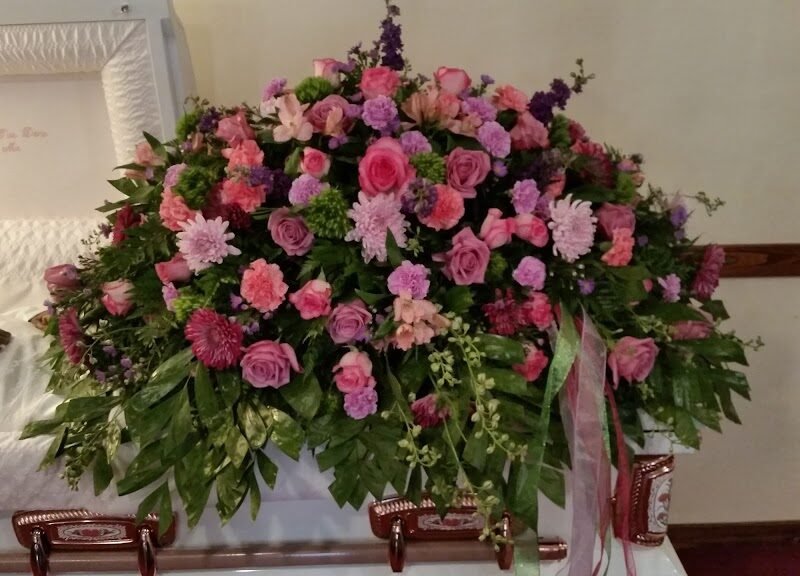
Funeral directors are not just professionals; they are caregivers who recognize the importance of honoring the deceased while also providing comfort to the bereaved. From discussing burial or cremation options to organizing memorial services, they provide a variety of services tailored to fit the unique needs of each family. By personalizing arrangements and enabling meaningful celebrations of life, funeral directors help foster an environment where loved ones can gather to reflect, remember, and recover. Recognizing the emotional effort involved in their work sheds light on the essential role they play in our lives during the most difficult moments.
Selecting An Appropriate Funeral Director
Choosing the right funeral director represents a crucial step for families going through the difficult situation of loss. It becomes necessary to find someone who not only comprehends the details of the funeral planning process but also has the warmth and kindness to support grieving families. When selecting a funeral director, consider their experience and standing in the community. Personal referrals from acquaintances can be incredibly helpful, as they often offer insights into the level of care you can expect.
Once you have a selection of potential funeral directors, it is wise to schedule meetings with every one. This initial meeting can reveal a lot about their approach and your ease with them. Take note how they speak and whether they make an effort to hear to your needs and desires. A good director will be eager to address your questions in detail, discuss the different service options available, and help you understand the expenses involved. These factors are vital as they can impact your experience during a time that is already emotionally taxing.
It is crucial to think about the type of service you envision for your loved one. Some funeral directors specialize in traditional services, while others may concentrate on modern or personalized memorials. Determining your preferences early in the process can help limit your options. Additionally, consider the funeral home’s infrastructure and whether they correspond with your family's principles and traditions, such as eco-friendly practices or cultural traditions. Ultimately, identifying a funeral director who honors your wishes and offers comfort during this difficult time can make all the distinction.
Grasping Funeral Services
Memorial arrangements function a vital role in celebrating the legacies of loved ones who have left us. They consist of a set of services crafted to recognize the deceased's memory while providing support to the mourners. Funeral directors guide families through the entire procedure, enabling them select appropriate options, be it classic or modern, and confirming that each element embodies the individual essence and values of the individual being commemorated.
The scope of services offered by funeral directors can vary significantly. Typical services include organizing visitations, coordinating commemorative ceremonies, and providing aftercare support. Additionally, they help with essential tasks such as paperwork and approvals, which can often be challenging for families during a time of mourning. Comprehending these options allows families to make educated determinations that reflect their requirements.
Additionally, the emotional work involved in funeral directing cannot be underestimated. Funeral directors provide not only organizational support but also empathetic guidance that helps families navigate their loss. This support can be seen through personalized commemorative services, assistance with crafting remembrances, and guidance on mourning resources. By appreciating Go here of funeral services, families can more fully value the importance of funeral directors in helping them heal and remember their family members.
Organizing In Advance for Memorial Services
Organizing ahead for memorial services can provide families with substantial reassurance during a trying time. By conversing on and recording preferences for memorial plans in advance, individuals can alleviate some of the stress that their loved ones may encounter upon their loss. This anticipatory approach allows families to emphasize honoring life rather than making challenging choices in the throes of sorrow. Knowing the range of options available, from in-ground burial and cremation to personalized ceremonies, can help individuals express their desires clearly.
One important aspect of planning ahead is considering advance funeral funding. These plans allow individuals to secure their chosen services and prices, shielding their loved ones from potential economic burden. Additionally, these arrangements can often be tailored to reflect personal preferences, which ensures that the service fits with an individual's values and desires. Families may realize it advantageous to take part in conversations about their choices from the beginning, allowing everyone to feel more prepared and at comfort.
Meeting with a memorial service director as part of the planning process can further ease worries. Funeral directors can provide assistance on the necessary paperwork, the process of arranging a funeral, and how to personalize services to remember a loved one's life. By addressing questions and negotiating arrangements in advance, families can navigate the process more smoothly, ensuring that their loved ones’ final farewell is significant and honorable.