

Establishing your own home cinema is an exciting journey that merges technology, design, and a dash of magic. Picture sinking into plush seating as the lights fade and the screen lights up with your favorite, playing out in breathtaking clarity. This guide aims to take you from dream to reality, providing thorough insights into the world of home cinema installation. Whether you envision a specialized theater room or a cozy multimedia space within your living room, we will cover everything from planning to execution.
As you begin this journey, you may wonder what to expect during the home cinema installation process. Will you approach it as a DIY project or hire a professional? Understanding the intricacies of design and setup is essential, as is avoiding common mistakes that can derail your experience. From choosing the right equipment to thinking about acoustic treatments and lighting effects, this guide encompasses all aspects of establishing the perfect home cinema tailored to your lifestyle and space. Join us as we explore each element, ensuring that your dream cinema becomes a reality.
Home Cinema Setup Essentials
As you begin your home theater installation process, understanding the essential elements that lead to a stunning setup is crucial . First and foremost , selecting the right display is critical . This could be a high-quality projector or a big flat-screen TV, depending on the room size and personal choice. Consider picture quality, brightness , and screen size to ensure that the selected display delivers an immersive viewing experience. Each option has its unique advantages, so dedicating time to research and choose the best fit for your space is essential.
Another fundamental aspect of home cinema installation is audio . A high-quality sound system can elevate the viewing experience from ordinary to extraordinary. Whether you choose a full surround sound setup or a more simple soundbar, prioritizing sound quality and depth should be a major focus. Consider the size and layout of the room, as these factors will affect the type of audio arrangement that will work best for your setup. Additionally, soundproofing solutions, such as soundproofing and wall panels, can significantly enhance audio performance.
Lastly , proper lighting plays a critical role in creating the ideal atmosphere for the home cinema. Dim lighting can enhance the viewing experience by reducing glare and enhancing contrast on the screen. Consider integrating flexible lighting solutions, like dimmable lamps or automated lighting solutions, that allow you to tailor the ambiance for movie nights or gaming sessions. Ensuring effective control of both artificial and daylight light sources ensures a smooth transition into the cinematic world, allowing you to enjoy all film or game to its fullest.
Constructing Your Home Theater Area
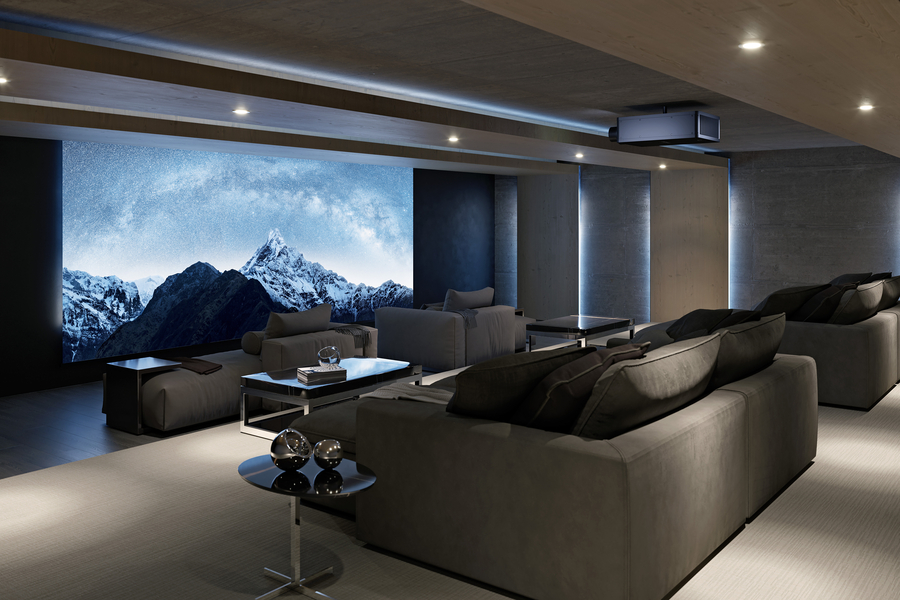
Creating the perfect setting for your personal cinema is vital to improve your viewing enjoyment. Start by picking a dedicated room that can be darkened properly, as light control is crucial for optimal picture quality. Think about the room's dimensions and layout; a rectangular space is generally preferable than square, as it aids in sound spread. It is important to have sufficient distance from the chairs and the screen for comfortable viewing; the ideal distance typically ranges from 1.5 times to three times the diagonal size of your display.
Then, think about the arrangement and chair setup. Arrange your chairs at an angle towards the screen for deep viewing while allowing space for mobility and comfort. A tiered seating arrangement can be helpful if the room allows it, as it minimizes obstructions and enhances sightlines. Don’t forget to include clear pathways for ease when coming in and going out, especially during intermissions. Adding comfortable chairs options, like comfortable chairs or couches, can also contribute to the overall atmosphere.
Finally, consider the aesthetic features that will make your home theater inviting. Color the walls in darker shades to reduce light bounce, and select materials that help absorb sound rather than bounce back it. Acoustic panels can be added for improved sound quality by minimizing reverberations. Additionally, think about your decorative elements—hanging posters of your beloved films or adding themed decor can improve the cinematic environment, making your personal cinema not only a functional space but also a chic one.
Specialist vs. DIY Setup
When considering home cinema installation, one of the first decisions is whether to handle the project on your own or hire a contractor. Do-It-Yourself setup can be enticing for those who appreciate hands-on projects and want to save money. However, it brings its own difficulties, including the need for the right tools, expertise, and a considerable amount of time to research and implement the various components properly. A well-executed DIY setup requires a strong understanding of acoustics, visual elements, and audio-video coordination, which might not be practical for everyone.
On the other hand, hiring a specialist can simplify the procedure and ensure you achieve optimal results. Experts bring skills in design and audio-visual technology, often providing tailored solutions that enhance your environment’s acoustics and visuals. With their experience, they can avoid common mistakes that DIY enthusiasts might make, such as incorrect speaker placement or inadequate screen size. Additionally, Home Cinema Installation Preston Hertfordshire are up-to-date with the latest trends and technology, ensuring your home cinema is equipped for upcoming developments.
Ultimately, the decision between professional and DIY installation should align with your skill level, budget, and vision for your home cinema. If you have a definite design in mind and are confident with installations, a DIY approach could be fulfilling. However, if your priority is efficiency and high-quality results, investing in a professional installation can provide peace of mind and an enhanced viewing experience.