

Peptides are often referred to as the fundamental components of life, and for valid reasons. These small chains of amino acids play a key role in almost all biological process, from cellular signaling to immune responses. Grasping what peptides are and how they function opens up a fascinating world of biochemistry that is essential for anyone interested in the life sciences. In this article, we will examine the basics of peptide science, including how peptides communicate with cells and their distinctions from proteins.
The significance of peptides in modern biology cannot be exaggerated. As Go to this website continue to unravel the intricacies of these molecules, they are uncovering innovative ways to harness their power in drug discovery and therapeutic development. From studying peptide structure and stability to exploring peptide libraries as tools for scientific discovery, this field is vibrant and rapidly evolving. Join us as we dive into the science behind peptides, investigating their varied roles and the latest advancements that are shaping our understanding of life at the cellular level.
Comprehending Peptide Molecules and The Roles
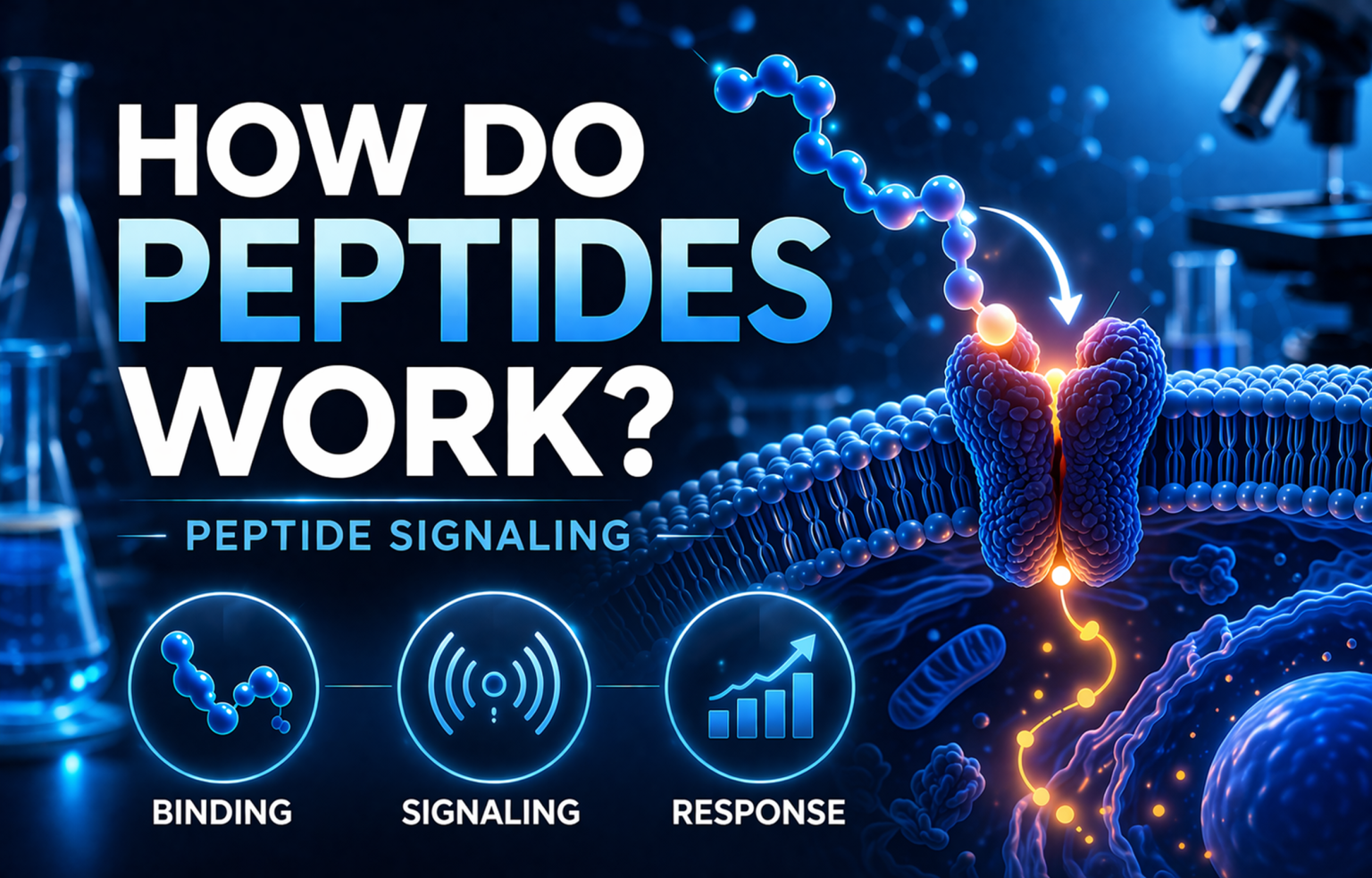
Peptides are brief sequences of amino acid residues connected by peptide bonds. They are crucial biological molecules that play critical roles in a wide range of cellular activities. Comprising typically 2 to 50 amino acids, peptides can affect physiological activities such as hormone regulation, responses of the immune system, and signaling between cells. Their relatively small size allows them to easily interact with the receptor sites on cell surfaces, enabling communication inside and among cells.
The function of peptides is intricately linked to their configurations and sequence of the amino acids. The specific arrangement determines how they fold and the 3D structure they assume, which in turn influences their biological activity. For example, a minor change in the sequence of amino acids can lead to significantly different functions, making the understanding of peptide structure crucial for understanding their roles in multiple biological contexts.
As researchers explore deeper into the realm of peptides, they have discovered a myriad of applications in modern biology and medicine. From acting as communication molecules that trigger cellular responses to functioning as potential therapeutics, peptides are being explored for their capacity to treat diseases and promote health. The ongoing investigation into peptide functionality not only illuminates the complexities of biological interactions but also opens up new avenues for creative drug discovery and therapeutic development.
Peptides in Biology and Scientific Studies
Peptides play a vital role in the life processes of living organisms, serving as essential building blocks for protein structures and affecting numerous physiological processes. They are created by the connection of the basic units of proteins and can act as biochemical messengers, enzymes, and neurotransmitters. This flexibility allows peptides to contribute to cellular communication, regulation of metabolism, and immune response, making them integral to preserving balance in the organism. Understanding how these compounds function creates avenues for scientific exploration and medical applications.
In modern research, investigators are more and more turning their attention to peptides due to their promise in drug development and treatment strategies. These compounds can be designed to target specific binding sites, allowing for accurate modulation of biological processes. This specificity reduces the chance of adverse reactions compared to conventional drugs, as peptides can replicate or mimic natural signaling molecules, providing a sophisticated approach to therapy. Their role in cellular communication and signaling pathways makes them indispensable in investigating diseases and engineering new therapies.
The discovery and development of synthetic these compounds have progressed significantly, allowing researchers to explore their structural diversity and functions. Techniques such as mass spectrometry and high-performance liquid chromatography are necessary for analyzing peptide quality and integrity, which are vital for providing trustworthy results in experimental contexts. The progression of peptide science continues to reveal new opportunities, leading to the creation of peptide libraries and computational biology tools that improve our understanding of peptide interactions and uses in contemporary biology.
Future Directions in Peptide Science
A future of peptide science looks extremely encouraging as experts continue to investigate the broad capabilities of these compounds in various fields, including medical science, biotechnology, and ecology. Improvements in synthetic methodologies are facilitating the production of more complex and robust peptides, resulting in superior treatment options. The integration of computational biological studies and machine learning in peptide-based engineering is also revolutionizing how scientists tackle peptide discovery, resulting in enhanced forecasting tools for peptide function and engagement with biological systems.
As focus in individualized medicine increases, these molecules are becoming essential tools for precision treatments tailored to individual patients. The development of peptide-based materials that can engage with human tissue tissues for restorative medicine is an additional thrilling area. Moreover, the use of peptides in immunizations and antibodies is gaining traction, notably in the scope of rapidly evolving infectious diseases and tumor immunotherapy.
In addition, the ongoing investigation into the function of peptides in cell communication pathways and their associations with binding sites will expand our knowledge of fundamental biological mechanisms. Experts are also focusing on the improvement of peptide purity and reliability, which are vital for their application in research and therapeutics. As collaborative initiatives across fields grow to flourish, the future of peptide science is poised for groundbreaking discoveries that could alter healthcare and deepen our comprehension of existence.