

In the event of the loss of a loved one, the emotional weight can be immense. In such difficult times, the last thing that families want to consider is organizing a funeral. However, taking the time to pre-plan a memorial service can not only reduce stress during a challenging period but also serve as a valuable gift to those left behind. Funeral planning is an important step in ensuring that your final wishes are honored and that your family does not face the responsibility of making those decisions alone.
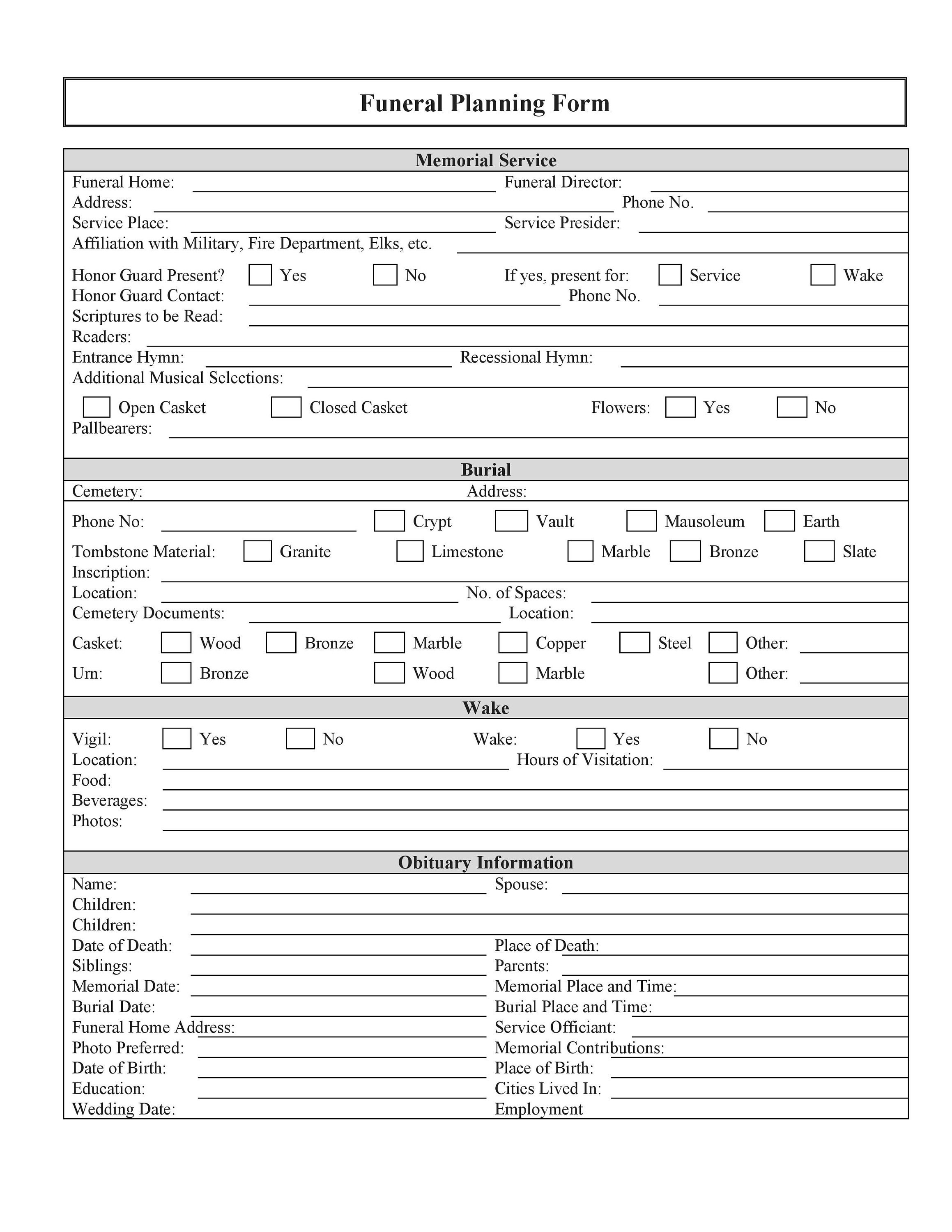
Planning ahead allows individuals to consider their values, preferences, and beliefs, creating a funeral that truly embodies their personality and life. From the choice of burial or cremation to understanding the costs involved, there is much to contemplate. This article serves as a thorough guide to funeral planning, outlining all the information you require to make informed decisions, avoid common pitfalls, and ultimately provide peace of mind for both you and your loved ones. Whether you are thinking about pre-planning or need support during a time of grief, we aim to equip you with the information and tools necessary for a respectful farewell.
Comprehending Funeral Arrangements
Memorial planning is an important task that includes making arrangements for a loved one's final farewell. It encompasses multiple choices regarding the kind of ceremony, burial or cremation methods, and additional personal elements that respect the deceased. Grasping the basics of funeral planning can greatly ease the emotional burden on family members during a challenging time. When these arrangements are created in advance, it allows individuals to record their wishes and communicate them clearly, ensuring that their final tributes align with their beliefs and wishes.
One of the key elements of funeral planning is the difference between funeral service planning and commemorative planning. Funeral service planning generally refers to the arrangements that entail the body in some capacity in some capacity, while commemorative planning is for ceremonies held without the passed present. Each has a unique purpose and addresses various family traditions and cultural beliefs. Grasping these differences is crucial for families to choose the ceremony that connects most profoundly with their loved ones and celebrates their legacy appropriately.
Furthermore, funeral planning can provide peace of mind for both the individual preparing the arrangements and their family. By pre-arranging a memorial, you reduce the stress and uncertainty that can arise when a loved one dies. Families are often immersed with grief, making deciding difficult. Establishing a carefully thought-out strategy in place guides families through the journey, making certain that their focus remains on commemorating the life of the departed rather than becoming overwhelmed in logistics during a time of mourning.
Practical Tips for Pre-Planning
Pre-planning a funeral entails multiple essential steps to ensure that your wishes are documented and that your loved ones are supported during a challenging time. Begin by exploring various funeral homes and gaining insight into the services they provide. It is helpful to schedule meetings with funeral directors to talk about your preferences in depth. This step enables you to ask questions about offered options, pricing, and any packages that may meet your needs, ensuring you have a comprehensive understanding of what is offered to you.
Afterward, contemplate developing a funeral planning checklist that includes all the key elements you want to address. This checklist can encompass choices regarding burial or cremation, service location, religious or cultural considerations, and desired aspects of the ceremony, such as music and eulogies. By organizing your thoughts and preferences in this way, you minimize the burden on your family and aid them through the planning process when the time comes.
In conclusion, ensure that your pre-planning information is accessible to your family. It’s crucial to have a conversation with your loved ones about your plans and any particular desires you have concerning your funeral. funeral services as your checklist should be kept in a protected yet easily accessible place. This clarity helps to lessen confusion and potential conflicts, allowing your family to dedicate themselves to celebrating your life rather than handling difficult decisions during their grief.
Widespread Misconceptions and Considerations
Many people erroneously assume that funeral planning is only necessary for the aged or those who are seriously sick. On the contrary, unforeseen events can happen at all stage of life, making it prudent for people of all ages to reflect on organizing their final arrangements. Planning in advance offers reassurance not just for individuals but also for their loved ones, who will be dealing with having to make decisions at a challenging time. Have a peek at this website -thinking approach can help avoid avoidable stress and tension among family members during periods of mourning.
A further misconception is that pre-planning a funeral is an financially burdensome endeavor that is too expensive for many families. In reality, there are multiple options available to fit all budgets. Understanding your choices and the potential costs can alleviate budgeting anxieties. In addition, planning can help families prioritize their spending, ensuring that they allocate resources according to their preferences and wishes, whether that includes choosing traditional burial, cremation, or green alternatives.
In conclusion, some people fear that talking about funeral plans with family members may cause discomfort or anxiety. However, open communication can promote empathy and allow families to share their desires and concerns. By talking about funeral planning, loved ones can jointly determine preferences, investigate different ethnic or spiritual traditions, and create a more personal tribute that commemorates their deceased loved ones. This conversation can function to enhance familial bonds and ensure that everyone is on the same wavelength, facilitating a more seamless planning process when the need arises.