

In the bustle of urban life, plants often take a lesser importance in the minds of property owners and city planners. Yet, these grand green structures play a essential role in our environment, providing coolness, improving air quality, and enhancing the aesthetic appeal of our surroundings. With the increasing importance of urban tree management, the role of tree care specialists has never been more critical. These trained professionals not only maintain the well-being and durability of our beloved trees but also shield our houses and neighborhoods from potential hazards.
Identifying when a tree needs professional attention can be difficult for the ordinary homeowner. With the intricacies of tree care, it is important to know how to identify the indicators that your tree may be in distress, when to call a tree surgeon, and the ideal techniques for maintenance. This guide will explore the numerous aspects of tree management, from trimming and extraction to identifying diseases and hazards. By prioritizing tree care, we can contribute to a better urban environment while ensuring the safety and beauty of our locale.
Indicators Your Tree Needs Attention
Trees represent essential components of our urban landscapes, but these trees can also face a variety of challenges that might require professional intervention. One of the initial signs that a tree needs care is a noticeable decline in its health. Signs such as wilting leaves, yellowing foliage, or the early dropping of leaves can indicate stress or illness, necessitating a closer look by a tree surgeon. Moreover, if you notice an unusual amount of sap production or fungal growths, these could be indications of hidden issues that require attention to prevent further damage.
Another signal that the tree may require professional care is the presence of structural problems. Trees that exhibit large cracks in their trunks, split branches, or have a significantly leaning profile can pose safety risks to surrounding properties. These issues may not be immediately apparent but could lead to dangerous situations if not handled promptly. A tree that appears unstable requires to be evaluated by a qualified tree surgeon to determine the best course of action, whether that involves pruning, cabling, or removal.
Finally, observation of the tree's surroundings can also indicate the need for professional attention. Excessively grown Click for more info that interfere with power lines, sidewalks, or structures can create hazards, making it essential to call a tree surgeon to manage the branches effectively. Furthermore, if you're experiencing any indications of root damage, such as lifting pavement or soil erosion, this could affect the tree's stability and health. Being vigilant about these indicators will help ensure the well-being of your trees and the protection of your property.
Tree Management and Care
Maintaining the health and appearance of your trees is essential for both aesthetic and safety considerations. Regular tree care involves monitoring the condition of your trees, which includes checking signs of illness, nutrient shortages, or pest infestations. Homeowners should be aware of ten signs that show their trees need professional attention, such as wilting leaves, unusual growths, or visible decay. Early detection can often prevent more severe issues and costly interventions.
Proper tree care also encompasses routine pruning and trimming. Understanding the distinction between tree trimming and tree pruning is crucial for effective maintenance. Trimming is primarily focused on improving the tree's appearance and promoting new growth, while pruning aims to remove dead or sick branches, ensuring the tree’s health and safety. Understanding how frequently to have your trees trimmed and the best time of year to prune them can significantly enhance their stability and lifespan.
Additionally, protecting trees during adverse weather conditions is vital for urban forestry. Regular checks and maintenance can prepare trees for bad weather season, reducing the risk of damage. tree surgery should also be informed about urgent tree services and how to do if a tree falls on their property. Cultivating knowledge of tree care not only keeps the trees healthy but also safeguards homes and landscapes from potential hazards posed by excessively grown or weakened trees.
At what time to Engage a Tree Surgeon
Recognizing when to hire a tree surgeon can be essential for the condition of your trees and the security of your property. If you see indicators of problems in your trees such as shriveling leaves, too much deadwood, or unusual growth shapes, it may be necessary to seek expert assistance. Tree surgeons are qualified to diagnose these issues and suggest appropriate solutions, whether that involves cutting back, treating diseases, or even considering tree removal.
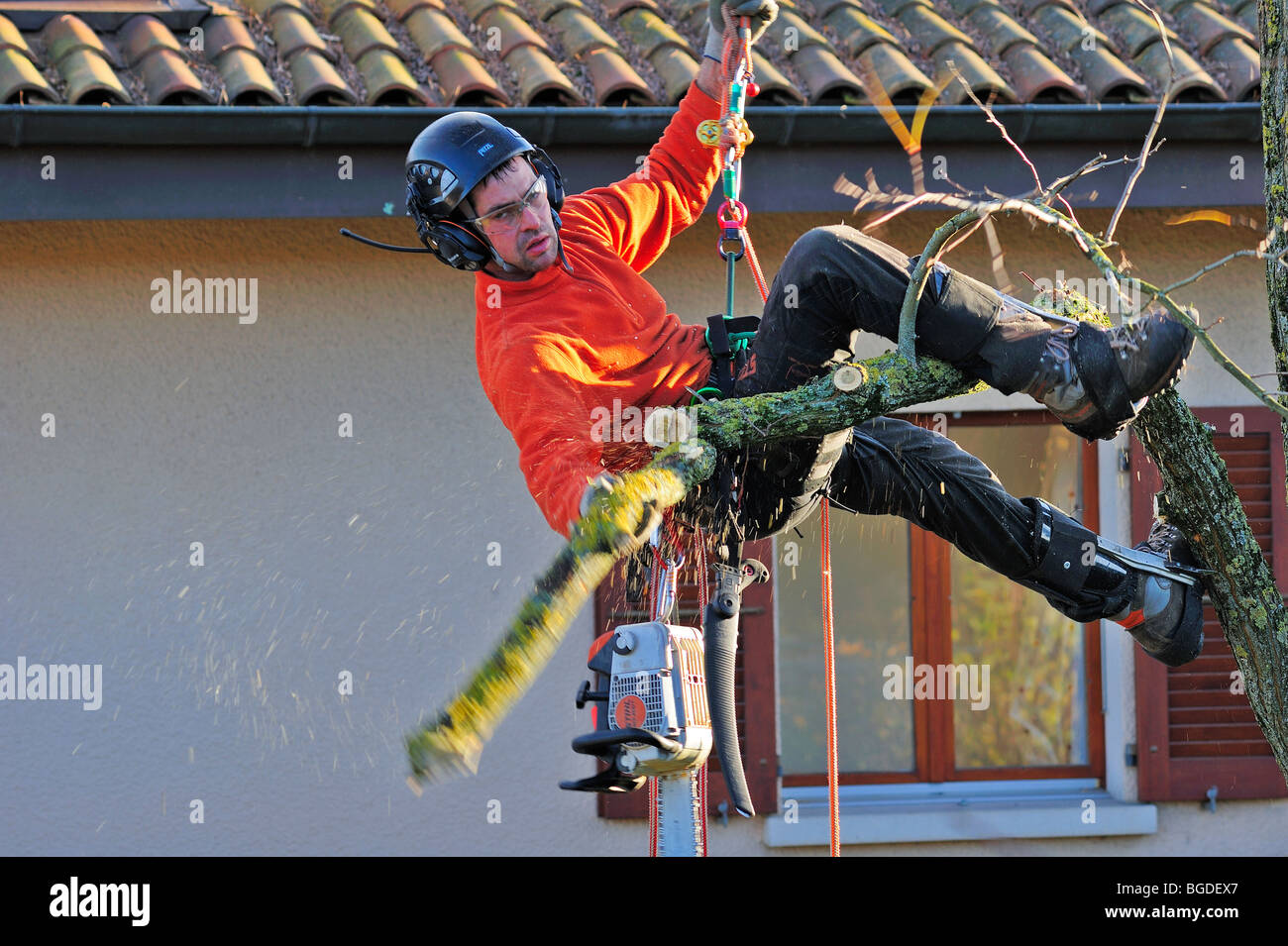
A further reason to call a tree surgeon is if your tree has incurred damage from storms or high winds. After intense weather, it can be hard to determine the extent of injury. A specialist can conduct a comprehensive inspection to evaluate whether the tree poses a threat to nearby buildings or if it can be rescued. Additionally, if you have issues about tree roots influencing your home's structure or pipes, consulting a tree surgeon is prudent before performing any action.
In conclusion, consistent maintenance is important for keeping your trees healthy and safe. If it's been a while since your last tree check, hiring a tree surgeon for a certified inspection can help identify issues early. Scheduled scheduled pruning, looking for diseases, and offering proper care are critical for maintaining the well-being of mature trees. Feel free to reach out to a certified expert to ensure your trees remain both lovely and sound.