

In the ever-evolving landscape of property development, understanding the nuances of right of light surveys has become an essential step for builders, planners, and property owners alike. These surveys play a critical role in analyzing the potential impact of a recent construction project on the daylight entering existing buildings. As urban environments grow denser, the implications of right of light laws are not just legal formalities; they can significantly influence planning applications, project timelines, and the overall success of a development.
Steering through the complexities of right of light surveys requires a clear understanding of their processes and importance. From avoiding Right Of Light Surveys Havering-atte-Bower London to ensuring adherence with planning regulations, these surveys help lessen risks before construction commences. Whether you are a property developer aiming to maximize your project's potential or a homeowner thinking about an extension, grasping the fundamentals of right of light surveys is essential to making wise choices in the planning process.
Understanding Right of Light Surveys
Right of light surveys are necessary analyses that examine how a proposed development project may influence the light obtained by adjacent properties. The right to light is a lawful easement that allows property owners to enjoy sufficient daylight over their land, typically recognized after 20 years of unbroken light. This right can affect development approvals and is often essential for property developers to consider during the project planning phase.
Performing a right of light survey involves detailed measurements and analysis to determine the effect of new projects on existing light conditions. Surveyors employ various approaches, such as 3D modeling and light analysis, to examine how developments will cast shadows and potentially encroach on the light rights of neighboring buildings. https://perchtitle31.werite.net/exploring-shadows-a-deep-dive-into-illumination-rights-surveys of these assessments can have significant implications, as they may require alterations to design plans or even lead to disputes with impacted property owners.
Understanding the outcomes of a right of light survey is important for developers. If a survey indicates that a new construction will negatively impact the light received by neighboring properties, it may impede obtaining development approval or lead to court disputes. Therefore, integrating right of light considerations into the early stages of a project can lessen risks and ensure compliance with local laws, ultimately facilitating the development process.
Influence on Planning Permission
The effect of light access assessments on planning permission cannot be understated. Property developers must be cognizant that local planning authorities increasingly factor in light access when assessing applications. A light access study provides the necessary data to show compliance with these regulations, helping to guarantee that a intended development does not encroach on the existing rights of adjacent lots. This proactive approach can significantly enhance the odds of gaining planning permission.
Furthermore, the results of a light access assessment can shape the blueprint and layout of a development project. By highlighting potential light obstruction issues early in the planning process, developers can make informed decisions about building orientation, height, and other design elements that could affect light access. This insight not only facilitates the approval process but may also enhance the attractiveness and value of the development, as properties that optimize natural light are often more sought after.
In conclusion, failing to conduct a light access study could lead to costly delays or even refusals of planning permission due to disputes or objections from neighboring property owners. By incorporating right of light considerations into the planning phase, developers can minimize risks associated with litigation challenges and ensure that their projects move forward without issues. This calculated approach is vital for building positive relationships with the community and obtaining a successful path to development.
Steering Clear of Judicial Conflicts
Navigating the nuances of right of light can greatly reduce the risk of litigious disputes for property developers. By executing a light rights assessment early in the planning phase, builders can detect possible problems that may arise with adjacent properties. This preemptive method enables developers to make knowledgeable choices about their plans, ensuring adherence with existing rights and reducing the risk of future lawsuits from neighboring property owners. A thorough grasp of light rights laws, highlighted during these assessments, is vital for a smooth development workflow.
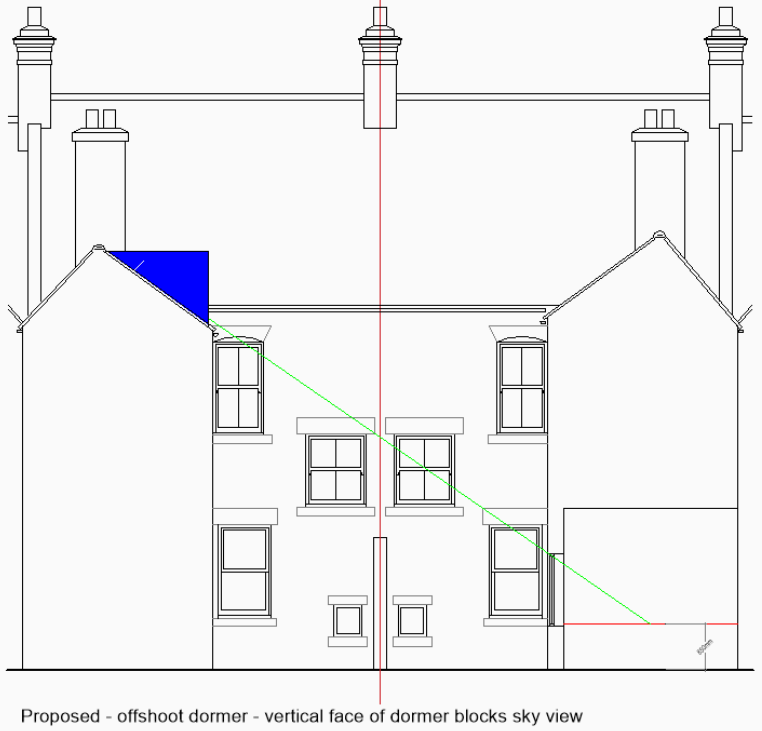
Additionally, the data gathered during a light rights survey can serve as critical proof should any conflicts arise. The assessment will provide an exact assessment of illumination levels and how they may be influenced, which can help illuminate the situation before any official complaints are made. By recording these results and including them into planning proposals, developers can prove responsibility, making it simpler to settle disputes harmoniously and reducing the necessity for costly legal battles.
Ultimately, working with knowledgeable light rights experts can additionally reduce the likelihood of conflicts. These professionals not only provide guidance into the legal implications of light rights but also offer strategic counsel on how to move forward with development while honoring the rights of surrounding land. Their knowledge ensures that potential light violations are resolved early, fostering positive relationships with adjacent property owners and ultimately safeguarding the development from setbacks and litigation.