

When it comes to the arena of transportation, truck tires play a vital role in ensuring safety, efficiency, and performance on the road. With significant loads and long hauls, the right tires can make all the impact in how a truck functions. Whether you are an experienced truck driver, a fleet manager, or someone new to the industry, understanding semi-truck tires is essential for making educated decisions that can impact the profit margins.
In this comprehensive guide, we will dive deep into everything you need to know about semi-truck tires. From comprehending the distinctions between steer and drive tires to examining how tire choices influence fuel efficiency, we will cover a wide range of topics that will equip you with the knowledge to choose, maintain, and manage tires efficiently. Additionally, we'll explore top tire brands, maintenance optimal practices, and the newest innovations in tire technology, rendering this guide an essential resource regardless of your experience level.
Deciding the Appropriate Tyres for Your
Choosing the right tires for a semi-truck is crucial for enhancing performance and ensuring security on the highway. When selecting tires, consider the truck's specifications, including weight capacity and axle setup. It's essential to match the type of tire to your common loads and routes. For example, if you frequently drive on rough terrain, you may need tires engineered for off-road use to provide better traction and longevity.
A further important factor is the climate and atmospheric conditions in which you operate. All-season tyres may be appropriate for average climates, but if you often face icy or wintry conditions, winter tyres could be essential for enhanced traction. Understanding your operational environment and the type of freight you transport will significantly influence your tire selection, ensuring that you maintain peak efficiency throughout your hauls.
Furthermore, consider the brand reputation and user reviews when selecting tires. Established Visit website offer guarantees and more reliable customer support. It's beneficial to research the top manufacturers in the market, balancing performance with affordability. Making an intelligent choice not only enhances your truck's efficiency but can also lead to sustainable savings on maintenance and fuel efficiency.
Maintenance and Lifespan of Semi-Truck Tires
Adequate care is essential to extend the lifespan of semi-truck tires. Routine inspections should be performed to check for indications of wear, damage, or inadequate inflation. Keeping the correct tire pressure is important, as both overinflation and insufficient inflation can lead to irregular wear and decreased performance. Scheduled tire swaps help ensure uniform tread wear across all tires, enhancing improved handling and traction.
Tire tread thickness is another key factor that affects the lifespan of semi-truck tires. Government regulations mandate that tire tread stays above a designated depth for protection reasons. Monitoring tread thickness not only improves safety but also increases fuel efficiency. Utilizing tools like tread depth gauges can help drivers easily assess their tires and determine when they need replacing or additional care.
To enhance the longevity of tires, drivers should also be aware of factors like load balancing and driving conditions. Uneven weight distribution can lead to exaggerated wear on specific tires, while poor road conditions can increase the rate at which tires degrade. Implementing optimal strategies for tire care, including keeping tires clean and avoiding excessive loading, contributes importantly to prolonging the service life of semi-truck tires.
Security and Effectiveness Considerations
Guaranteeing protection and peak performance in semi-truck operations begins with the selection of the appropriate tires. The variety of tire you choose not only impacts the ride quality but additionally influences traction, braking distance, and overall vehicle control. Tires crafted for certain environmental settings, such as four-season or winter tires, may substantially enhance safety by improving grip on icy surfaces. Furthermore, comprehending the difference between steer and drive tires is essential, as each is constructed to meet specific performance needs.
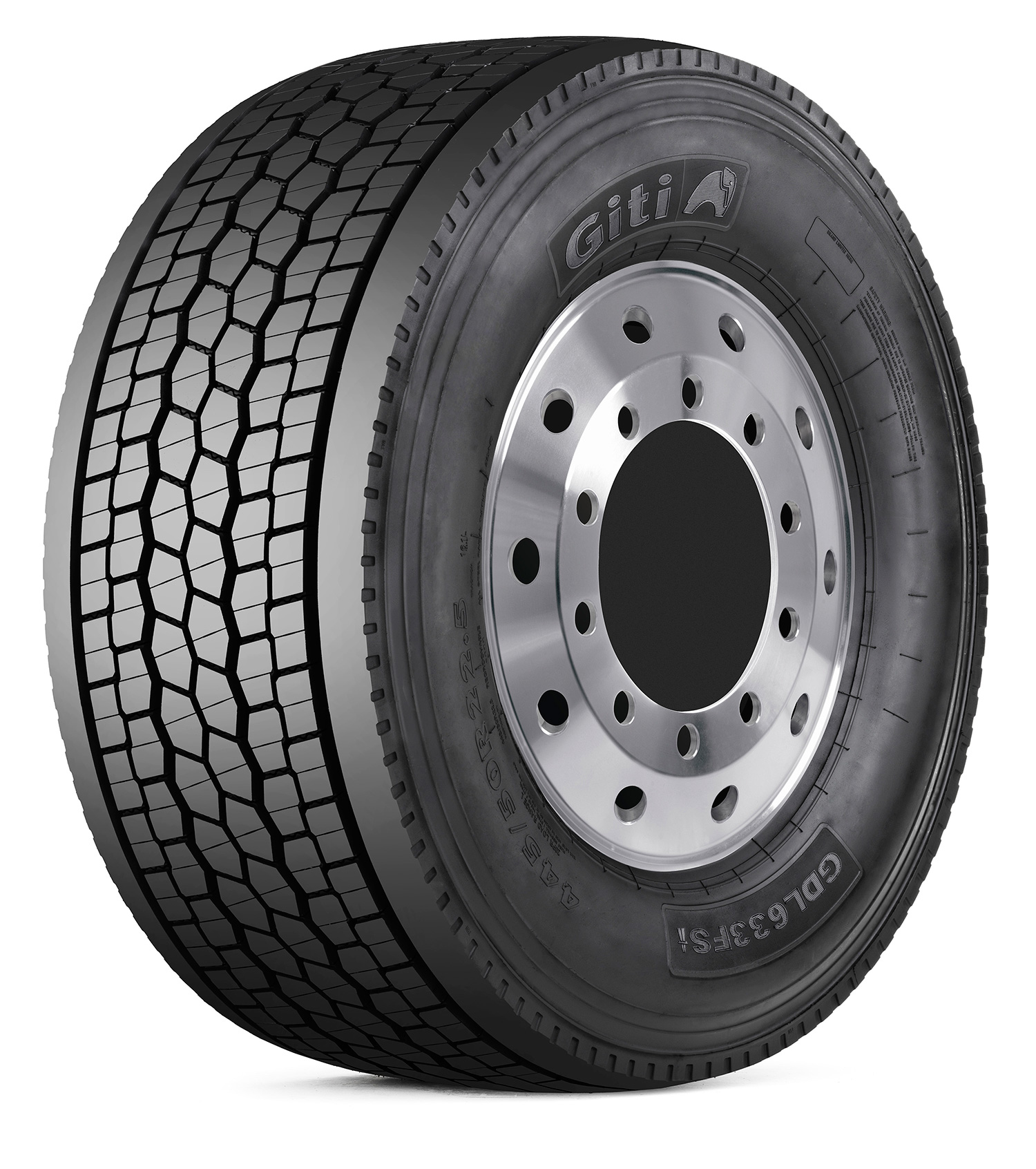
Tire maintenance holds a critical role in enhancing performance and lessening risks. Regular inspections are essential for identifying signs of uneven wear, that can endanger safety. Factors such as load capacity, tire pressure, and alignment should be closely watched to ensure that tires are performing effectively. Proper tire inflation is not only vital for performance; it also aids in fuel efficiency, making your operations more affordable.
Innovations, like smart tires and tire pressure monitoring systems (TPMS), have added new dimensions to safety in trucking. These advancements provide real-time data on tire conditions, enabling drivers to make knowledgeable decisions and take corrective actions before issues escalate. Understanding and addressing tire-related safety considerations will not only safeguard drivers and cargo but also contribute to a more effective and sustainable transportation system.