

In today’s swift building sector, the requirement for efficient and reliable digging approaches has reached new heights. Vacuum method is swiftly becoming popular among contractors and service providers, transforming how tasks are organized and performed. This groundbreaking technique not only boosts task efficiency but also substantially enhances to workplace safety and environmental sustainability. With its gentle features, vacuum excavation presents a transformative method for identifying underground utilities with accuracy and little disturbance.
As the sector moves towards further sophisticated techniques, comprehending the details of vacuum excavation is becoming essential. From its working methods to its advantages over traditional excavation methods, the rising adoption of vacuum excavation is reshaping current construction techniques. This article will examine the many reasons why vacuum excavation is pivotal in detecting utilities and other construction uses, highlighting its positives, challenges, and the outlook of this innovative technology.
Grasping Vacuum Excavation
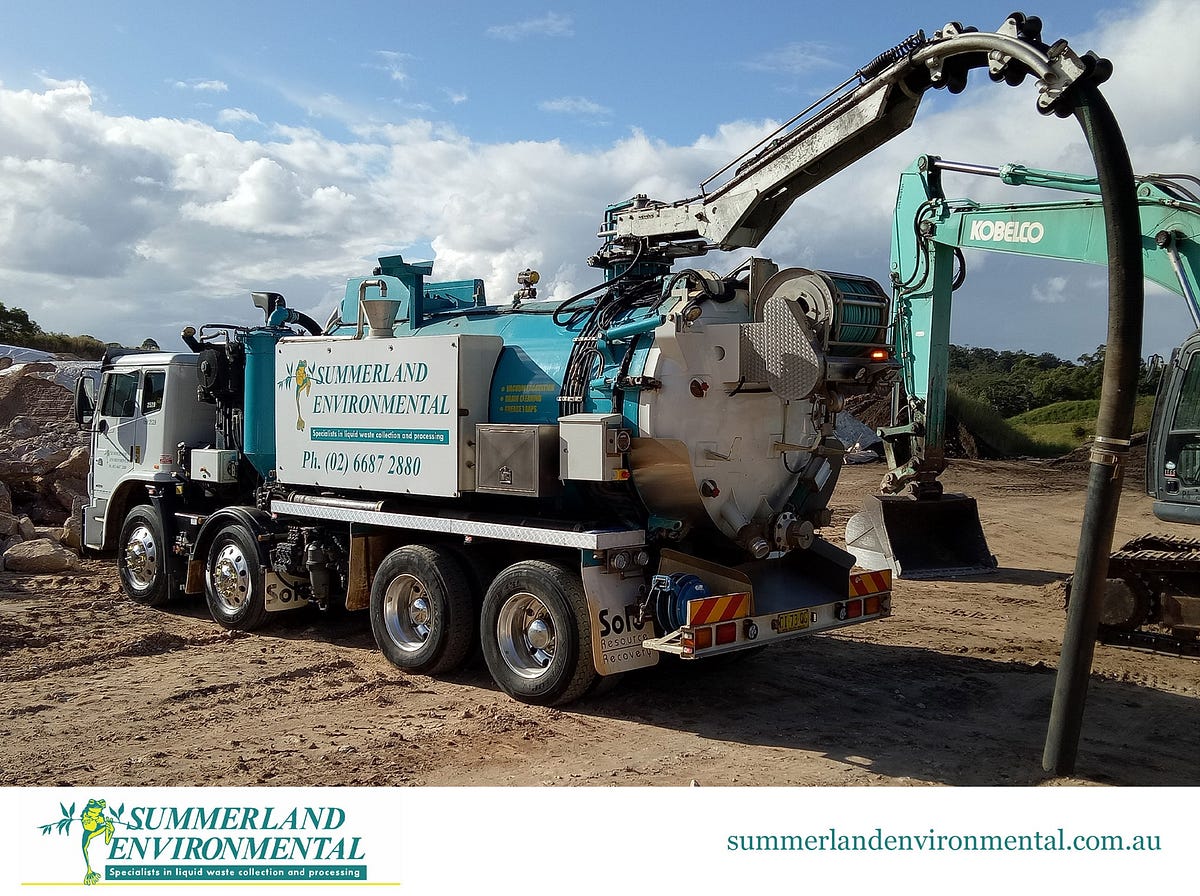
Suction digging is an innovative technique that employs intense suction to remove earth and material from a specific area, providing a safer and more effective option to traditional excavation methods. This method involves a mix of high-pressure liquid or gas, which breaks up the earth, and a vacuum system that collects the displaced material. By utilizing this technique, workers can safely expose underground infrastructure and structures without the risk of impacting them, which is a significant concern in construction projects.
One of the key benefits of vacuum excavation is its non-invasive quality. Unlike traditional digging that can often lead to infrastructure hits or soil displacement, suction digging minimizes impact to the surrounding environment. This makes it particularly beneficial for locating utilities, potholing, and situations where precision is paramount. With its capacity to accurately disclose buried infrastructure, vacuum digging is transforming how contractors organize and execute projects.
Additionally, suction excavation has achieved popularity in city settings where space is constrained, and the density of underground infrastructure is high. Its effectiveness not only cuts down the time spent on-site but also lowers the potential for costly holdups caused by accidental harm to services. As the demand for construction upkeep and enhancement continues to grow, comprehending and adopting vacuum excavation methods becomes increasingly essential for modern construction practices.
Advantages Over Traditional Methods
The process of vacuum excavation offers several advantages over traditional digging methods, primarily due to its safe nature. Unlike conventional techniques that rely on bulky equipment and hand excavation, vacuum excavation uses pressurized liquid or air combined with a robust vacuum system to suction away soil. This approach minimizes ground disturbance, which is particularly essential when dealing with sensitive underground utilities and infrastructure. By maintaining the structure of existing installations, vacuum excavation reduces the likelihood of accidental damage, leading to safer, more efficient projects.
Another significant benefit of vacuum excavation is its ability to enhance safety on construction sites. The method significantly lowers the risk of accidents related to old-fashioned digging, such as collapses and service strikes. With vacuum excavation, operators work with exact control, which helps in keeping a clear awareness of the subsurface conditions. Moreover, the rapid setup and execution of vacuum excavation projects lead to reduced exposure times on job sites, minimizing the risk for workers and the general public.
Cost efficiency is another area where vacuum excavation stands out compared to traditional methods. While the initial equipment and service costs may seem elevated, the prevention of utility damage and the associated repairs can result in considerable savings. Additionally, vacuum excavation often leads to faster project completions, which reduces labor costs and decreases project downtime. The combination of these factors makes vacuum excavation not only a safer option but also a cost-effective choice for many construction projects.
Security and Ecological Effect
Vacuum excavation considerably boosts security on building sites by reducing the chances of accidents and harm. This method decreases the likelihood of harming underground utilities, such as gas and water supply lines, which can lead to hazardous spillages, blast incidents, or utility interruptions. The gentle nature of vacuum excavation permits operators to expose these utilities without applying excess force, creating a safer working environment for all personnel involved. Additionally, the lowered sound and managed dust levels inherent in this method further contribute to a safer work site.
From an environmental perspective, vacuum excavation offers numerous benefits compared to traditional digging techniques. By utilizing a more accurate approach, this technology aids protect the surrounding ecosystem, including ground structure and vegetation. Vacuum Excavation Ballymena Northern Ireland is particularly vital in city projects, where space is limited, and the potential for environmental disruption is high. Furthermore, the ability to gather and correctly dispose of excavated materials reduces the chance of soil contamination and speeds up land restoration, thereby benefiting the local ecosystem.
As the construction industry more and more recognizes the importance of eco-friendly practices, suction excavation is showing to be a significant resource. Its ability to reduce waste generation and foster a cleaner work site is in line with the goals of environmentally sensitive projects. Moreover, adopting vacuum excavation not only boosts compliance with environmental regulations but also enhances the overall public image of construction activities, fostering a culture of security and eco-friendliness in the industry.