

In today's fast-paced world, the importance of self-care and tension relief cannot be overstated. Professional massage therapy has emerged as a popular avenue for achieving both relaxation and health. With a plethora of techniques at hand, from gentle Swedish massage to invigorating sports massage, the benefits extend far beyond mere relaxation. Engaging in consistent massage sessions can lead to notable improvements in bodily, mental, and psychological well-being, rendering it an essential part of a well-balanced lifestyle.
As we delve into the study of soothing, we will explore the myriad benefits of expert massage therapy. Not only can it help reduce stress and anxiety, but it also plays a vital role in physical recovery, discomfort management, and overall health maintenance. Whether you are an office worker battling workplace discomfort or an sportsperson seeking to enhance performance, grasping the advantages of various massage techniques is key to taking informed choices about your wellness journey. Join us as we uncover the many ways in which therapeutic massage therapy can transform your life.
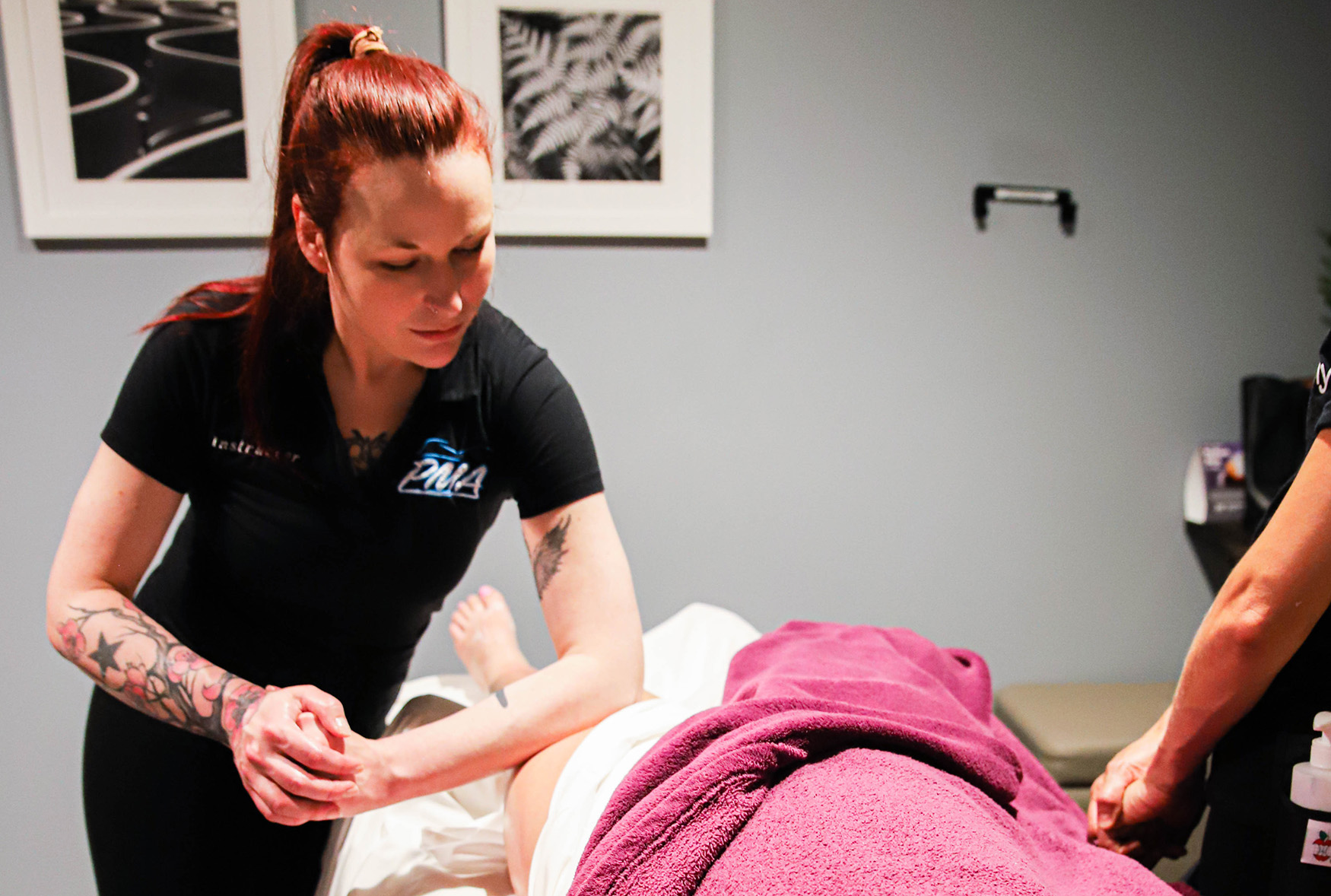
Benefits of Professional Bodywork Treatment
Professional bodywork treatment offers a multitude of advantages that enhance to overall wellness. One of the primary advantages is its ability to reduce tension and worry. As experienced therapists use various techniques, they help to lower cortisol levels and boost the release of feel-good hormones like the "happy" hormone and the pleasure chemical. This chemical balance fosters a feeling of calmness and mental clarity, making bodywork an important tool in managing daily stressors.
Another notable benefit is the improvement of bodily wellness. Consistent bodywork treatment enhances circulation, which is essential for transporting oxygen and nutrients to muscle tissues. This increased blood flow supports muscle recovery, minimizes soreness after workouts, and can even improve athletic capabilities. Moreover, specific techniques like deep tissue massage can relieve chronic pain and tension, particularly in areas affected by repetitive strain, making it crucial for individuals with desk jobs or labor-intensive occupations.
In addition to physical and emotional health benefits, professional massage therapy fosters a feeling of wellness and self-care. It encourages individuals to value their health, providing a dedicated time for relaxation and reflection. This self-care aspect not only affects bodily health but also supports mental health, ultimately contributing to a more harmonious lifestyle. With consistent appointments, individuals can enjoy long-term health benefits, solidifying the role of massage therapy in comprehensive wellness practices.
Comprehending Different Bodywork Techniques
Massage includes a variety of approaches, each customized to meet particular therapeutic & health goals. Swedish therapy, one of the most popular forms, utilizes long, flowing strokes and mild pressure to facilitate relaxation. It is particularly beneficial for those seeking alleviate stress & improve overall blood flow. The repetitive actions help to release muscle tension, rendering it a great choice for those new to massage or people seeking a calm experience.
In contrast, deep tissue massage focuses on the deeper layers of muscular tissue and connective tissue. This approach employs more forceful tension to target long-term discomfort and tension, often focusing on particular problem areas. This kind of therapy is perfect for athletes & individuals suffering from chronic muscle issues, as it assists to dissolve adhesions and restore mobility. Grasping Click here for more info ’s conditions can assist you determine the appropriate therapy is best for you.
Various specialized methods, including sports therapy & pressure point therapy, address particular populations or situations. This method enhances performance in sports & aids in avoiding injuries, while trigger point therapy focuses on trigger points within muscles that cause soreness in different parts of the body. Each technique serves a individual role, making it important to relay your objectives and preferences with a qualified massage therapist to get the most beneficial service.
The Impact of Massage Therapy on Overall Wellness
Regular therapeutic massage therapy significantly contributes to holistic health by enhancing bodily and psychological well-being. The sensory engagement experienced in a massage boosts circulation, which helps transport important nutrients to organs and eliminate toxins from the body. Increased blood flow can lead to improved muscle recovery, minimized pain, and increased flexibility. Additionally, massage stimulates the release of natural painkillers, the body's natural painkillers, resulting in an quick sense of relaxation and relief from pain.
Beyond physical benefits, massage therapy plays a critical role in emotional stability. By decreasing levels of the stress hormone cortisol, massage can alleviate sensations of anxiety and tension. It establishes an environment for relaxation, permitting individuals to withdraw from everyday stresses. This relaxation has been proven to enhance sleep quality, improve mood, and even elevate cognitive function, promoting a more balanced state of mind. As a result, routine sessions can lead to a more resilient emotional state and enhanced overall mental wellness.
Furthermore, integrating massage into a personal care regimen is essential for longevity and quality of life. Whether it’s through addressing chronic issues such as back and neck pain or boosting performance for athletes, the therapeutic effects of massage promote long-term health goals. By cultivating a habit of self-care, individuals can stay in tune with their bodies, avoiding injuries and encouraging a more active lifestyle. Ultimately, investing in professional massage therapy is a preemptive approach to upholding both somatic health and emotional balance, making it an necessary part of comprehensive health.