

In city environments, where space often comes at a premium, the challenge of creating a beautiful and functional landscape can feel intimidating. However, with the right design ideas and techniques, even the smallest yards and balconies can serve as beautiful outdoor retreats that display your personal style. Utilizing landscape design for small spaces not only enhances your home’s aesthetic but also provides a serene escape from the chaos of city life.
If you want to looking to transform a quaint front yard into a inviting entryway, or you want to turn a limited backyard into a dynamic space for relaxation and entertainment, this article will guide you through novel concepts and practical tips. From simple designs to sustainable options, we will explore the top trends and classic techniques that make every square foot valuable in your landscape. Join https://arcdesignsd.com/ as we delve into the world of small space landscaping and discover how to create an oasis that feels both spacious and welcoming.
Top Landscape Architecture Styles
As we transition into the future, landscape design keeps to evolve, embracing new designs and creative practices that mirror evolving lifestyles and ecological concerns. Among the most notable trends is the growing emphasis on eco-friendly landscaping. Homeowners are progressively opting for sustainable supplies, native plants, and practices that encourage biodiversity and hydric conservation. This trend not only improves the visual appeal of outdoor spaces but also contributes to the vitality of the local biome, making sustainability a central theme in contemporary landscape design.
Another noteworthy trend is the integration of multipurpose outdoor environments. With a growing number of people valuing outdoor lifestyles, landscape design is changing towards creating areas that serve various functions, such as hosting, cultivating, or relaxation. Features like outdoor kitchens, fireplaces, and sitting areas are being effortlessly woven into gardens, changing backyards into extensions of the home. This approach maximizes the utility of small spaces while promoting an outdoor lifestyle that many are keen to adopt.
Finally, digital tools is playing a crucial role in defining landscape design. From advanced irrigation systems that enhance water use to landscape design apps that help homeowners envision their projects, technology is facilitating it more accessible to plan and execute stunning outdoor areas. Additionally, smart lighting solutions are becoming popularity, allowing homeowners to enhance the mood and protection of their landscapes while reducing energy consumption. These technological innovations are not only practical but also help create outdoor spaces that are visually striking and easy to care for.
Redesigning Small Areas
Regarding landscape design, small spaces offer distinct opportunities for creativity and originality. Rather then viewing limited square footage as a constraint, consider it a blank canvas where you can try out with bold designs and thoughtful greenery. Employ vertical gardening to optimize space by including trellises and wall planters, enabling nature to rise and flourish in surprising ways. This approach not only adds visual appeal but also enables you to bring in a variety of textures and colors without overcrowding the area.
Integrating multifunctional elements is key to transforming small outdoor areas. Opt for furniture that can serve dual purposes, such as storage benches or collapsible tables, to maintain an open feel while providing vital uses. Sunken seating areas or built-in benches can create cozy gathering spots, fostering social interaction without requiring much space. Additionally, the thoughtful use of pathways and hardscaping can outline areas within the landscape, boosting usability while keeping the design simple.
Picking the right plants is essential for small space landscaping to achieve a vibrant atmosphere without overwhelming the area. Select plants that are small but rich in color and texture, such as dwarf varieties of shrubs or ornamental grasses. Mixing evergreens with seasonal blooms can ensure year-round appeal, while indigenous plants often require less maintenance and adapt better to local conditions. With careful selection and arrangement, your small space can transform into a stunning urban escape that feels open and inviting.
Crucial Landscape Planning Advice
When planning your landscape, it's crucial to start with a well-thought-out strategy. Consider the dimensions and shape of your outdoor space, as well as how you intend to utilize it. Establish zones for specific purposes, such as resting, mealtime, or planting. This structured approach helps maximize your area, especially in smaller areas, ensuring each part has a defined role and flow. Additionally, use design elements like pathways, planting beds, and seating to facilitate movement and improve usability.
Including plants into your plan can dramatically transform your garden. Choose a range of plants that thrive in your regionally suitable climate to guarantee durability and minimum maintenance. Combine varied elevations, colors, and varieties to add visual appeal and depth. Indigenous plants are an ideal choice, as they typically require minimal water and are more tolerant to regional pests. Consider the seasonality of your vegetation to ensure year-round appeal, allowing for dynamic changes throughout the seasons.
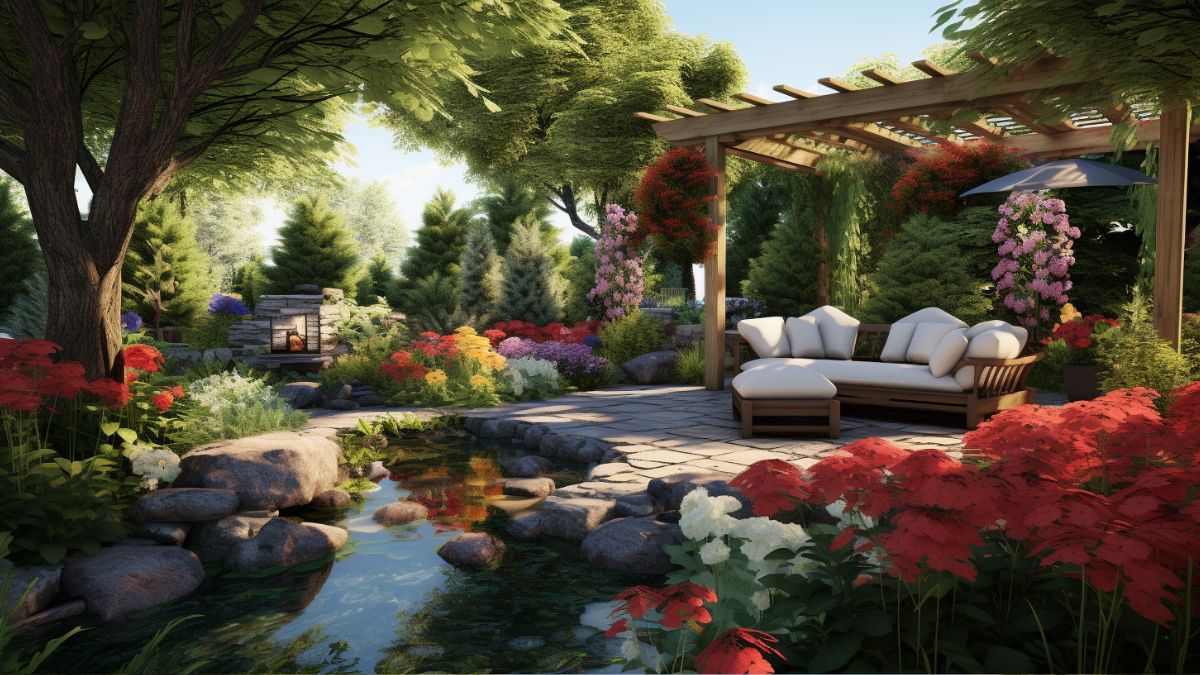
In conclusion, don't discount the importance of hardscape and illumination in your landscape design. Structures like patios, decks, and paths can provide form and define spaces without overwhelming them. Select materials that match your home’s architecture for a cohesive look. Combine these features with effective lighting to enhance safety and elevate ambiance during the evening. Proper illumination can highlight key areas and create a inviting, cozy atmosphere, making your garden area feel like an integral part of your home.